AWCIMagazine
What is Noetic Medicine?
In modern medicine, the physical body is the primary focus of concern. Medical training is built primarily on the hard sciences, like anatomy, biochemistry, and pathology. Language is simply regarded as a delivery system, a way of conveying diagnoses and other relevant bits of information. So long as it somehow conveys compassion, it is deemed sufficient. Yet if medicine is to heal the body, we must include the mind in the healing process.
Yet in exam rooms, operating theaters, and emergency departments, clinicians witness a conflicting reality. A positive prognosis delivered with confidence has the power to instill hope and to enhance the likelihood of a positive outcome; whereas a negative prognosis delivered with equal confidence has the power to cause despair and promote a negative outcome. A careful and deliberate instruction can reduce pain and quiet anxiety; whereas a careless delivery can induce pain and provoke panic.
Noetic medicine begins with a simple premise: Words matter. Mind matters.
Noetic medicine is an emerging discipline emphasizing the impact of ideas on health and healing. It does not argue that clinical communication replaces traditional medical treatments. Rather, it focuses on the physical and psychological consequences of how words and gestures are used to convey the intent of such treatments and their likelihood of success.
Categorized under mind-body medicine and understood through insights originally developed in the field of clinical hypnosis, the research behind noetic medicine shows great promise in addressing both psychological and physical issues.
What Is Noetic Medicine in Clinical Practice?

Every clinical encounter transmits more than information. Each one carries meaning.
Subtle differences in words, facial expressions, hand gestures can transform hopeful information into a cause for despair. Or, alternatively, a carefully spoken explanation with deliberate gestures can convey uplifting possibilities. We now know that encounters of this sort, between patients and clinicians, can have profound influences unconscious on their clinical outcomes - shaping autonomic responses, pain perception, immune signaling, compliance and recovery.
For decades, these effects were often dismissed as placebo — an inconvenient footnote to “real” medicine. However, research now shows that placebo and its obverse, the nocebo effect, are not imaginary. They are neurobiological processes driven by noetic forces present in most patient/clinician relationships.
Brain imaging and immunologic studies demonstrate measurable changes in pain pathways, inflammatory markers, and symptom severity based solely on how information is delivered.
Noetic medicine asks clinicians to take the next step. If ideas reliably influence biology, then communication itself becomes a clinical tool — one that can help harm or heal.
The Meaning of Mind–Body Medicine
The phrase mind-body medicine is familiar, but often imprecise. Noetic medicine sharpens the focus.
It draws on established fields such as psychoneuroimmunology, which examines interactions among psychological processes, the nervous system, and immune function. It incorporates learning theory and autonomic regulation. And it systematizes clinical observations long recognized by experienced practitioners but rarely taught explicitly.
Modern medicine excels at intervening in physical disease processes. It is less adept at managing the human meanings layered onto those processes — the fear, hope, helplessness, and loss of identity a patient might be feeling.
The Ethics of Language
One of the central insights of noetic medicine is ethical. Whether a clinician understand noetic medicine or not, they wield its power, influencing patients continuously, regardless of intent.
A careless remark on a busy day can inadvertently transform an opportunity for hope into a moment of despair. Even silence communicates something to a patient. The question is not whether clinicians influence outcomes — they assuredly do — but whether that influence is deliberate or accidental, salutary or deleterious.
Cardiologist Bernard Lown, a Nobel Peace Prize recipient and longtime advocate for humanistic medicine, put it plainly: “Words are among the most powerful tools a clinician has... but they can maim or heal.”
Noetic medicine treats language with the same seriousness as a medication or procedure. It asks clinicians to recognize that every conversation can carry both psychological and physiological consequences.
How Noetic Medicine Influences Health Outcomes
Much of the practical foundation of noetic medicine comes from clinical settings, particularly the emergency department.
Among the most cited examples are the peer-reviewed cases of Dr. Steven F. Bierman, an emergency physician who documented the use of focused attention, structured language, and subtle suggestion to reduce pain, relax muscle spasm, and calm acute anxiety, restore normal sinus rhythm, stop hemorrhaging, and more — often without additional medication, and often in the rapid-fire setting of the emergency department.
These were not presented as miracles. They were presented as reproducible clinical outcomes: clear evidence that ideas, and how they are presented, influence health and healing.
Why Noetic Medicine Matters Now
Traditional allopathic medicine is under strain. Clinician burnout is widespread. Clinicians feel rushed, and patients unheard, At the same time, expectations for outcomes, efficiency, and cost-effectiveness continue to rise.
Noetic medicine does not add time to clinical encounters. It adds efficiency and personal joy to the practice of medicine. Practitioners of medicine do not burn out, they thrive.
By teaching clinicians how to communicate in ways that reduce nocebo effects, strengthen trust, and engage patients’ innate healing capacities, noetic medicine improves care without new drugs or devices. It reframes the clinical conversation as a treatment channel rather than as mere background noise.
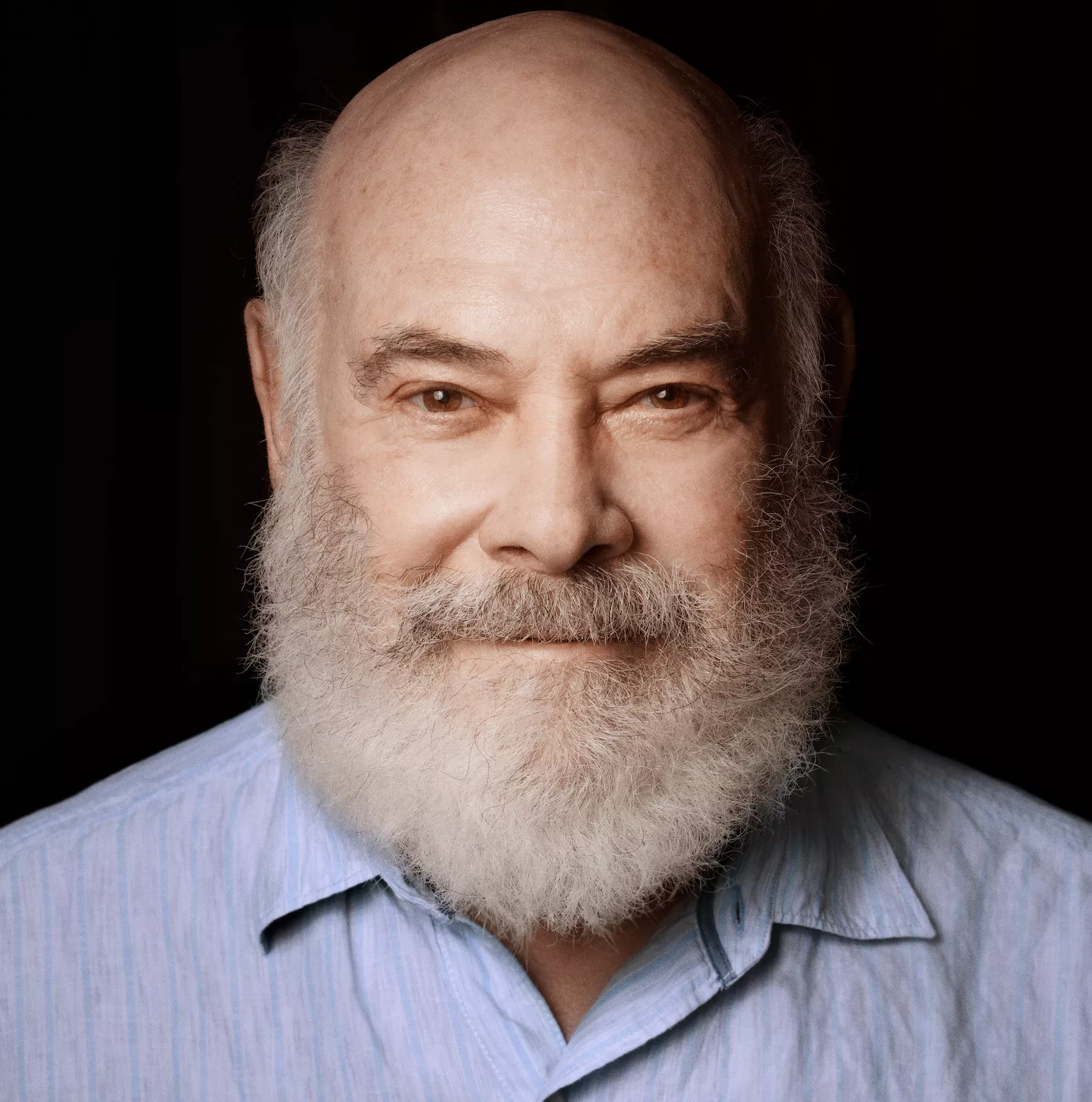
“I’ve always felt the neglect of the mind-body connection is one of the great limitations of conventional medicine,” said Andrew Weil, MD. “Noetic medicine is about mind-body interactions, and that is a fundamental concern of integrative medicine.”
The question facing modern healthcare is no longer whether the mind-body connection matters, it is whether clinicians will learn to work with that reality deliberately — or continue to leave it to chance.
Noetic Medicine Training: Take the Introduction to Mind Medicine & Clinical Hypnosis Course
Physicians, advanced practitioners, and health care professionals interested in applying noetic medicine in practice can explore the self-paced, transformative online Mind Medicine course, led by Dr. Steve Bierman - an emergency physician and family doctor, trained in medical hypnosis and clinical communication. The course offers evidence-based tools for using language, attention, and presence with the same care and rigor as any other medical intervention.
Start your noetic medicine journey today with an on-demand course from the University of Arizona Andrew Weil Center for Integrative Medicine.