Patient Education Library
Designed for both clinicians and the general public, these handouts provide practical, evidence-informed guidance that blends conventional medicine with complementary strategies. Within each handout you have the option to share or download a PDF.

Anti-Inflammatory Diet: Shopping Tips
Here are some suggestions to take with you on your next shopping trip. All of these foods have potential anti-inflammatory properties and may help you in planning an anti-inflammatory diet. Don’t limit yourself to just these foods as there are many other delicious anti-inflammatory foods which are not on this list.
VEGETABLES
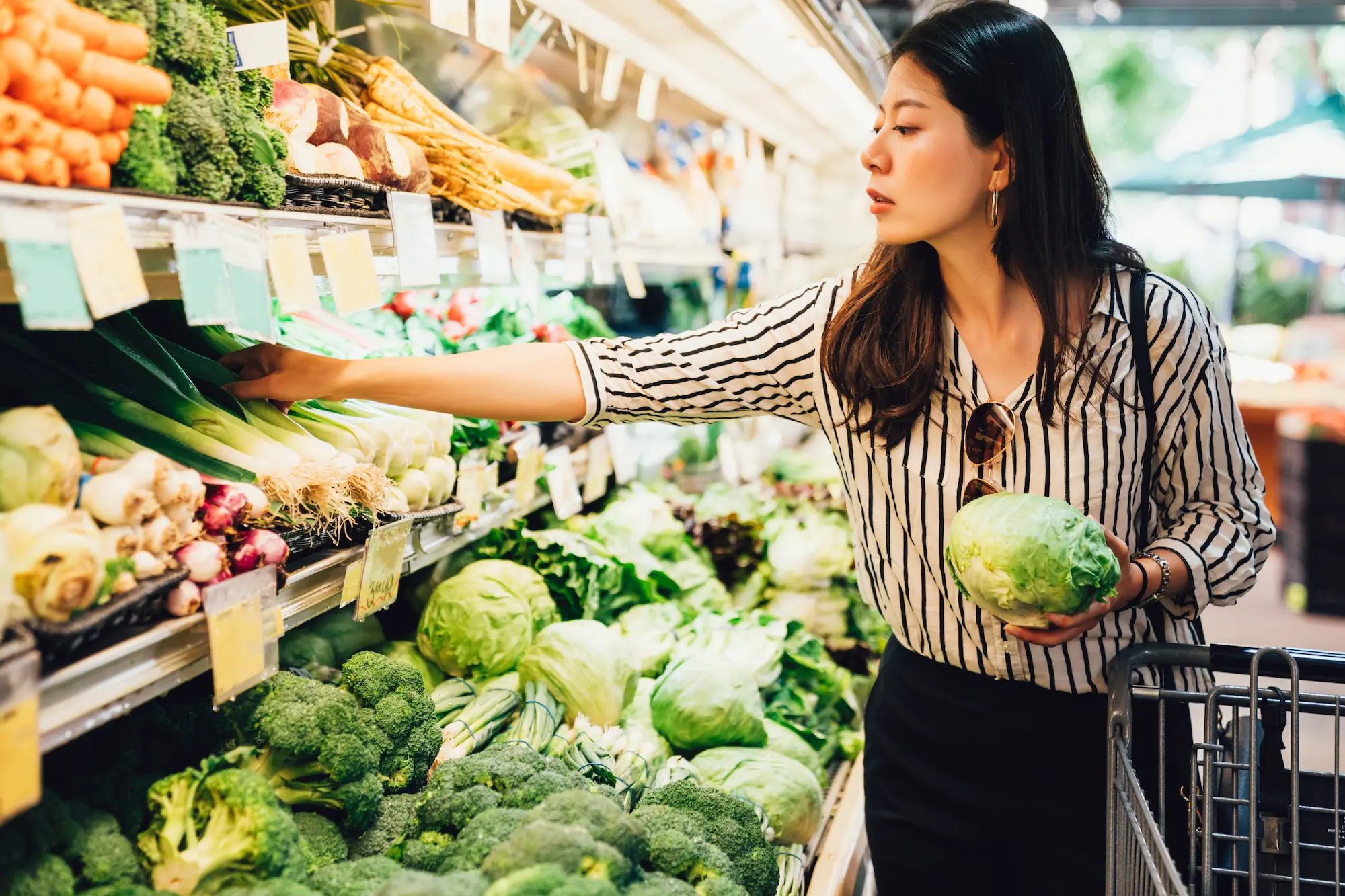
- Broccoli: Broccoli and other cruciferous vegetables (including cauliflower, Brussels sprouts, cabbage, turnip greens and kale) are rich in antioxidants, calcium, vitamin E, and protein.
- Beans: A great source of protein, fiber, and minerals. There are many delicious beans including black beans, red (Kidney) beans, pinto beans, navy beans, Jacob’s Cattle beans, and Anasazi beans. Beans have a mild, slightly sweet flavor and a mealy texture. Beans need to be cooked before they are eaten.
- Dark leafy greens: Lightly cooked dark leafy greens (spinach, collard greens, kale, Swiss chard) are all rich in flavonoids and carotenoids with both antioxidant and anti-inflammatory activity. Swiss chard is also high in dietary fiber, vitamins K, C, and E, calcium, protein, thiamine, niacin and folic acid. Kale is high in B vitamins, minerals, vitamins C, A, and K, fiber and protein. Spinach is high in niacin, zinc, fiber, and contains B vitamins, vitamin A, E, and C, and minerals. Collard greens have thiamin, niacin, potassium vitamin A, C and E and minerals. All dark leafy greens contain about 1 g of protein for each ounce of raw vegetable. Each of these leafy greens is like a medicine chest in a leaf.
- Squashes and sweet potato: These vegetables are low in fat and high in fiber, carotenoids, vitamin A and C and trace minerals. These hearty vegetables can be a delicious and satisfying substitute for meat.
FRUIT
- Apples: An apple a day really may keep the doctor away! Apples are a great source of vitamin C and fiber and apples with red skins provide anthocyanidins which are potent anti-inflammatory compounds. Be sure to buy organic apples as pesticides are easily soaked up into the apple through its relatively thin skin.
- Avocados: Avocados are unique as a fruit because they contain a high amount of monounsaturated fat (about 25 g per avocado). Monounsaturated fat is an important anti-inflammatory fat. Avocados also provide fiber (typically about 13 g per avocado) as well as protein (usually 4 g per avocado).
- Berries: Any bright-colored berry would be perfect. Berries such as raspberries, blackberries, and others provide a significant dose of natural antioxidants, in the form of plant-based pigments (anthocyanins). Berries are also good sources of vitamin C and fiber. They can be fresh, frozen, or dried, but ideally should be organic. Berries are often among the “dirty dozen” (see below) of fruits and veggies that should only be eaten in organic form, as they tend to trap pesticides.
- Oranges: Citrus fruits are very high in antioxidants, especially vitamin C (citric acid). In addition, oranges contain beta-carotene, zeoxanthins, flavonoids, and lycopene.
THE “DIRTY DOZEN”
Check out the Environmental Working Group (EWG):
EWG’s shopper’s guide
Dirty Dozen
This list is updated each year and informs you about the “dirty dozen”, or top 12 most pesticide-concentrated produce. These fruits and vegetables are best purchased as organic.
- Spinach
- Kale, Collard, and Mustard Greens
- Strawberries
- Grapes
- Nectarines
- Peaches
- Cherries
- Apples
- Blackberries
- Pears
- Potatoes
- Blueberries
Clean Fifteen
These fruits and vegetables carry very low levels of pesticides and it’s fine to purchase these as nonorganic fruit and vegetables.
- Pineapples
- Sweet Corn (fresh and frozen)
- Avocados
- Papaya
- Onion
- Sweet Peas (frozen)
- Asparagus
- Cabbage
- Cauliflower
- Watermelon
- Mangoes
- Bananas
- Carrots
- Mushrooms
- Kiwi
Keep in mind that if you want to avoid genetically modified produce, you need to purchase organic fruits and vegetables.
PROTEINS
- Tofu: For people who are not allergic or intolerant to soy foods, tofu is a low inflammatory protein choice. In moderation, soy protein is associated with a lower risk of prostate cancer, and may reduce breast cancer risk if routinely eaten during adolescence. As a natural and complete protein, tofu beats protein powders that contain high concentrations of “isolated soy protein.” Organic tofu is preferable. Firm or soft tofu are equally good. Many neighborhood markets and health food stores stock tofu burgers which are a convenient and tasty source of soy protein.
- Wild-caught deep sea fish: Salmon is a good protein choice, especially if wild Alaskan salmon (i.e., sockeye) is selected. Farm-raised salmon virtually eliminates the “omega-3 advantage” of the fish. Salmon is an excellent source of omega-3 fats, and is also readily available (canned wild salmon is prevalent).
- Sardines: Sardines are a superb choice for anti-inflammatory omega-3 fats. In addition, herring and black cod (sablefish) are terrific choices in seafood. Sardines contain about 1–1.7 grams of omega-3 fats per serving. They are also a good choice because they are small and lower on the food chain; they do not accumulate the toxins found in larger fatty fish (e.g., mercury, PCB’s, and lead).
DAIRY & DAIRY ALTERNATIVES
- Soymilk: Soymilk contains isoflavones that are potent antioxidants and may even be protective against certain cancers. Also, soymilk is a whole soy food, which is preferable to fractionated foods containing isolated soy protein powder and imitation meats made with soy isolate. Try to find a soymilk product without carageenan, a thickening agent has been associated with gastrointestinal tract inflammation.
- Nut and grain milks: Milk made from rice, oat, hemp, almond, and cashew are excellent substitutes for cow’s milk. These milks provide fiber, protein and essential fats. Experiment to find the milk that tastes best to you!
- Yogurt: Yogurt is a good choice, but perhaps not for the reason that you think. While yogurt is a good source of protein, it is the probiotic content of yogurt that provides health benefits. These probiotics reduce inflammation throughout the body and help to maintain optimal immunity. Avoid fruit-sweetened yogurts as these yogurts contain significant sugar. Plain cultured yogurt is best and Greek-style yogurt provides the most protein. Other fermented foods that are also a source of friendly bacteria include buttermilk, kefir and sauerkraut.
SNACKS
- Nuts: Many nuts have special benefits: for example, a few Brazil nuts provide an optimal amount of selenium; walnuts and almonds are good sources of omega-3 fats. The key is portion control—pre-portion the nuts into baggies. In addition, buy organic when possible, eat raw nuts, and avoid excess salt.
- Cheese: This choice depends upon the type of cheese and whether the you are sensitive to dairy/milk products. Be selective and look for high-quality unprocessed cheese that is made from organic sources, and doesn’t contain chemical preservatives or coloring agents. Sheep or goat cheeses rather than ones made from cow’s milk have more anti-inflammatory fats and can be eaten by some people with cow's milk allergies. With cheese, portion control is key for those needing to monitor their saturated fat intake.
- Hummus: Hummus is typically prepared with chickpeas/garbanzo beans and olive oil. It’s a good source of protein, fiber, monounsaturated fat, as well as iron, vitamin C, and folic acid. You can eat hummus with vegetables, whole-grain or seed crackers or whole grain pita.
- Dark chocolate: Dark chocolate, ideally with at least 70% cacao is a healthy, anti-inflammatory treat. Chocolate contains proanthocyanidins and catechins which reduce inflammation, especially in the cardiovascular system, and which support brain function and provides protection against oxidative stress throughout the body.
OTHER
- Spices: Spices are excellent sources of anti-inflammatory polyphenols. Every culinary spice has health benefit so use spices with flavors that you enjoy. Don’t buy large quantities of spices as much of their health benefits disappear after about 6 months of storage in a cool, dark cupboard or drawer.
Disclaimer: Information provided is for general informational purposes only and is not a substitute for professional medical advice, nor does it establish a doctor-patient relationship. Always seek the advice of your qualified health provider. We assume no responsibility for errors or omissions in the content.
Find an Integrative Provider or Coach Near You
Search for integrative physicians and health experts. Partner with Andrew Weil Center-trained integrative providers who value your well-being, combine evidence-based methods to improve your health and merge conventional and natural approaches to address your mind, body, and spirit.
Visit the Tucson Clinic
Experience comprehensive care from Andrew Weil Center for Integrative Medicine clinic physicians, who offer expert consultations for various medical conditions while providing tailored recommendations for disease prevention.
Interested in becoming an integrative practitioner?
Ready to take the next step in your healing career? Discover how our educational offerings can help you blend science, compassion, and whole-person care. Enroll in our integrative health programs and gain the tools to combine modern medicine with holistic healing.
What is Integrative Medicine
Transform medicine and embrace whole person healthcare with an online course, in-person event, certificate program, or fellowship in integrative medicine.