Patient Education Library
Designed for both clinicians and the general public, these handouts provide practical, evidence-informed guidance that blends conventional medicine with complementary strategies. Within each handout you have the option to share or download a PDF.

Zinc
WHAT IS IT?
Zinc is an essential mineral necessary for many body functions, especially for gene expression, wound healing, and proper functioning of the immune system.
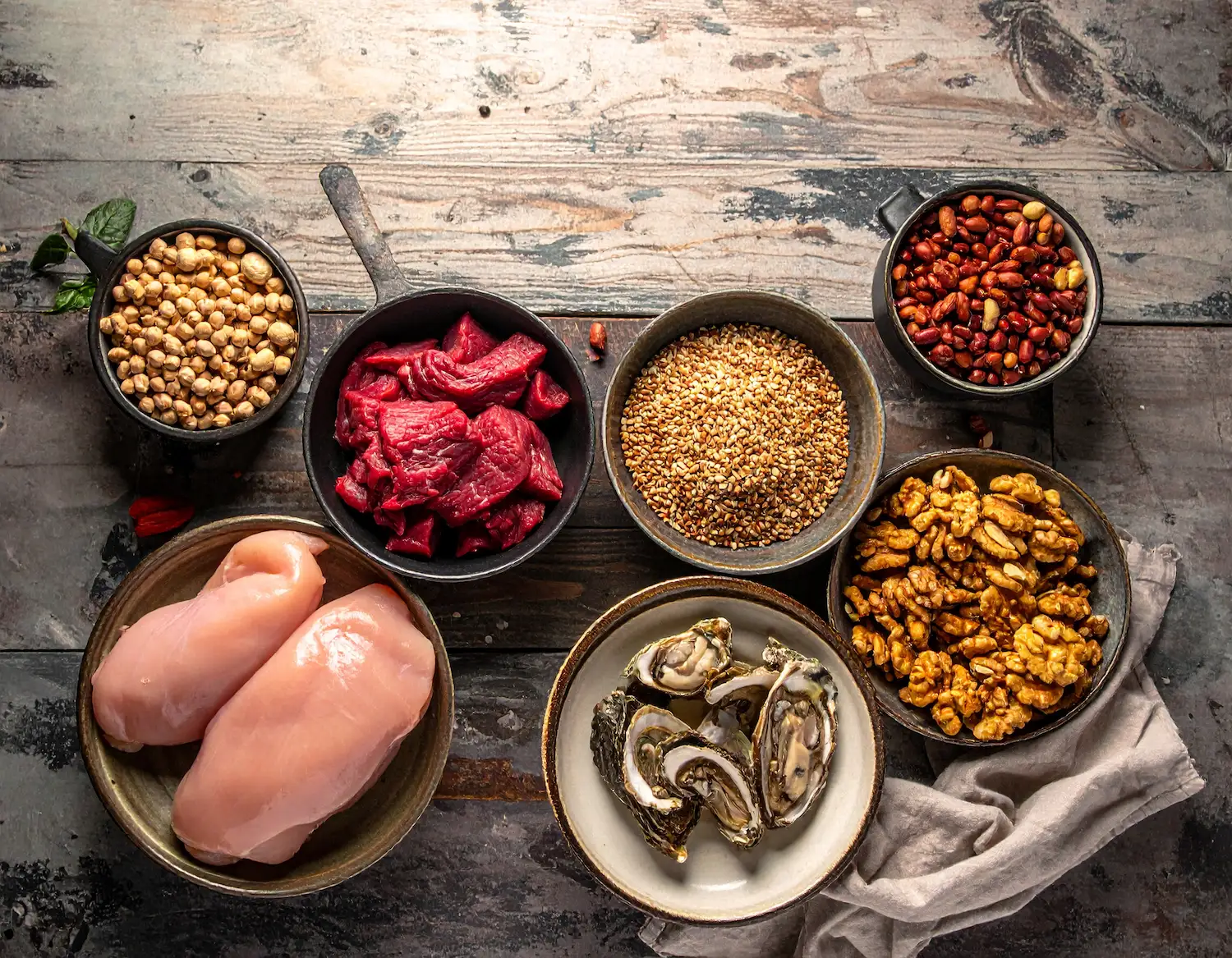
Zinc is found in many foods, especially nuts, beans, beef, and chicken. Oysters are very high in zinc. In the US, most cereals are fortified with zinc.
WHO MIGHT CONSIDER TAKING THIS?
Most of us can get the zinc we need from eating a healthy diet. People at risk for deficiency include vegetarians, the elderly, pregnant people, people with diabetes or alcoholism, and those taking certain medication (particularly diuretics).
Studies suggest that zinc lozenges help speed recovery from the common cold and reduce its symptoms if taken within 24 hours of coming down with a cold. Zinc is also an ingredient of oral supplements developed to help slow the progression of macular degeneration. Use with a clinicians’ recommendation.
Zinc, used alone or in addition to other medications, may also be helpful for the treatment of acne. If tissue levels are low in zinc, wounds may heal more slowly.
PREPARATIONS AND DOSAGE
Zinc comes in many forms, but the body can most readily use zinc glycinate, gluconate, and citrate forms. The RDA for adults is 8–11 mg per day.
CONCERNS?
There are very few concerns with taking zinc as a supplement orally when staying within recommended doses. High doses may cause abdominal pain, nausea, diarrhea, loss of appetite, and frequent infections.
Intranasal zinc should never be used due to the possibility of irreversible loss of smell (anosmia).
The safe upper limit for adults has been set at 40 mg per day, though short-term usage of higher doses to fight off a cold is not problematic. Prolonged use of doses higher than 40 mg can cause copper and/or iron deficiencies and for this reason, many zinc supplements also contain copper in a 8 zinc: 1 copper ratio.
Disclaimer: Information provided is for general informational purposes only and is not a substitute for professional medical advice, nor does it establish a doctor-patient relationship. Always seek the advice of your qualified health provider. We assume no responsibility for errors or omissions in the content.
Find an Integrative Provider or Coach Near You
Search for integrative physicians and health experts. Partner with Andrew Weil Center-trained integrative providers who value your well-being, combine evidence-based methods to improve your health and merge conventional and natural approaches to address your mind, body, and spirit.
Visit the Tucson Clinic
Experience comprehensive care from Andrew Weil Center for Integrative Medicine clinic physicians, who offer expert consultations for various medical conditions while providing tailored recommendations for disease prevention.
Interested in becoming an integrative practitioner?
Ready to take the next step in your healing career? Discover how our educational offerings can help you blend science, compassion, and whole-person care. Enroll in our integrative health programs and gain the tools to combine modern medicine with holistic healing.
What is Integrative Medicine
Transform medicine and embrace whole person healthcare with an online course, in-person event, certificate program, or fellowship in integrative medicine.