Patient Education Library
Designed for both clinicians and the general public, these handouts provide practical, evidence-informed guidance that blends conventional medicine with complementary strategies. Within each handout you have the option to share or download a PDF.

Vitamin E
WHAT IS IT?
Vitamin E is a mixture of 8 different natural chemicals, called tocopherols and tocotrienols, that have multiple protective functions in the body. Its primary function is as an antioxidant, which protects the body against the damaging effects of free radicals and reactive oxygen produced in the process of normal metabolism. Vitamin E works in conjunction with many other vitamin and minerals, particularly selenium, copper, and zinc.
WHO MIGHT CONSIDER TAKING THIS?
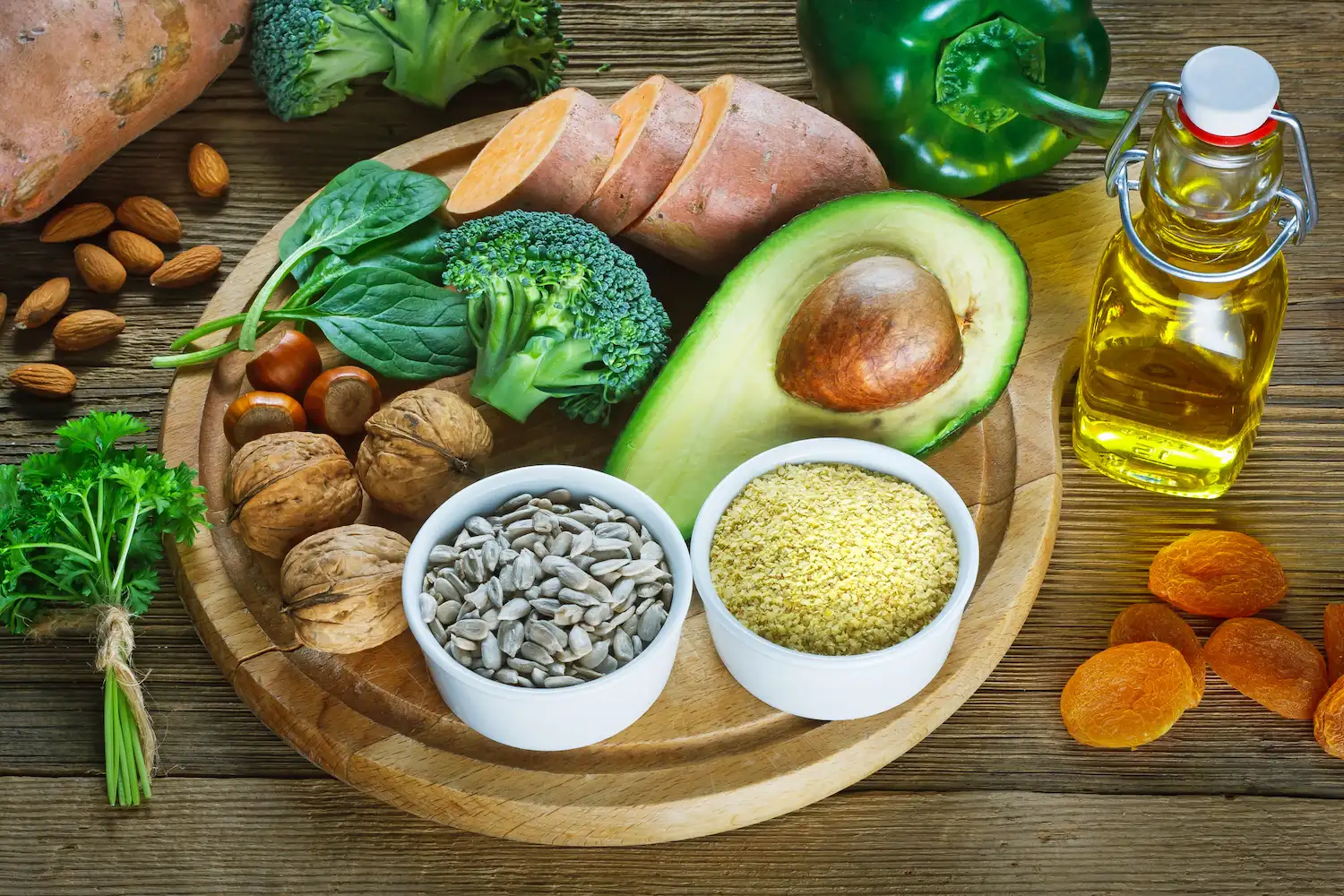
Vitamin E is found in many foods, including wheat germ, grains, sunflower seeds and oil, safflower oil, almonds, tofu, spinach, avocados, and broccoli. Severe deficiency of vitamin E is rare in the US, but many people are not getting enough in their diet.
Although research data in many clinical areas is mixed, your health care provider might recommend vitamin E supplements.
Vitamin E has been extensively studied and seems to be very effective for fatty liver, and may also be helpful for decreasing the risk of heart disease and dementia.
PREPARATIONS AND DOSAGE
The Recommended Daily Allowance (RDA) for vitamin E is 22.5 IU of alpha-tocopherol. There is rationale for higher doses of supplemental vitamin E for certain health conditions—speak with your health care provider before taking higher amounts of vitamin E. It is best to use a supplement that contains a mixture of all the components of vitamin E—including both tocopherols and tocotrienols or even just tocotrienols. These may be more difficult to find and require careful label reading.
CONCERNS?
Adverse effects: One major concern with vitamin E is increased risk of bleeding when taken with blood thinners, such as warfarin or aspirin. It also interacts with several medications as well, so discuss with a doctor or pharmacist if you are taking other medications.
A main concern about vitamin E supplements is whether people who take them have increased mortality, or rates of death. For this reason, stick with healthy foods containing vitamin E rather than concentrated supplements, unless recommended by your physician.
It is recommended that persons with prostate cancer do not take vitamin E supplements.
Disclaimer: Information provided is for general informational purposes only and is not a substitute for professional medical advice, nor does it establish a doctor-patient relationship. Always seek the advice of your qualified health provider. We assume no responsibility for errors or omissions in the content.
Find an Integrative Provider or Coach Near You
Search for integrative physicians and health experts. Partner with Andrew Weil Center-trained integrative providers who value your well-being, combine evidence-based methods to improve your health and merge conventional and natural approaches to address your mind, body, and spirit.
Visit the Tucson Clinic
Experience comprehensive care from Andrew Weil Center for Integrative Medicine clinic physicians, who offer expert consultations for various medical conditions while providing tailored recommendations for disease prevention.
Interested in becoming an integrative practitioner?
Ready to take the next step in your healing career? Discover how our educational offerings can help you blend science, compassion, and whole-person care. Enroll in our integrative health programs and gain the tools to combine modern medicine with holistic healing.
What is Integrative Medicine
Transform medicine and embrace whole person healthcare with an online course, in-person event, certificate program, or fellowship in integrative medicine.