Patient Education Library
Designed for both clinicians and the general public, these handouts provide practical, evidence-informed guidance that blends conventional medicine with complementary strategies. Within each handout you have the option to share or download a PDF.

Carbohydrates are a vital dietary component. The quality of carbohydrate in the diet is a most important consideration.
Here are some general guidelines for eating carbohydrates:
- Focus on eating a variety of naturally colorful foods daily.
- Emphasize eating whole foods—fruits, vegetables, legumes, and unprocessed grains—which are rich sources of phytochemicals found to play a vital role in promoting health and lowering the risk of disease.
- Unprocessed grains and foods rich in fiber help you feel more full with fewer calories—thus, they can help you control your caloric intake, if weight loss or maintenance is a concern for you.
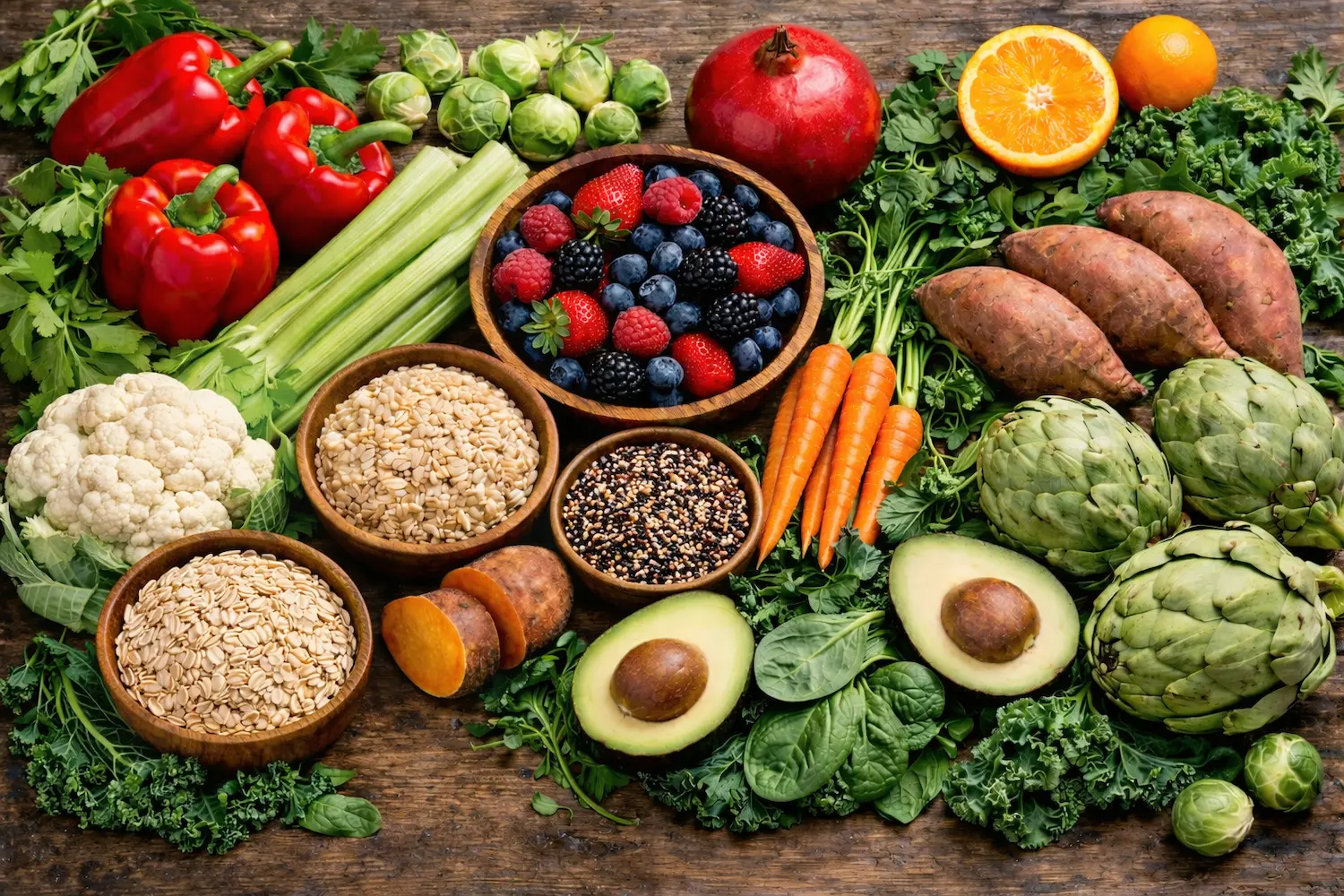
BEST FRUITS
Choose colorful fruits like berries, peaches, nectarines, oranges, pink grapefruit, red grapes, plums, pomegranates, cherries, apples, and pears for antioxidant and anti-inflammatory flavonoids and carotenoids.
BEST VEGETABLES
Select dark leafy greens, broccoli, cabbage, Brussels sprouts, cauliflower, carrots, beets, onions, peas, squashes, and sea vegetables: all are rich in antioxidants and anti-inflammatory components.
BEST GRAINS
Pick oats, kamut, quinoa, wheat berries, and wild, brown and forbidden rice.
BEST FIBER-RICH FOODS
Add legumes (beans and whole soy foods), nuts, seeds, avocados, berries, artichoke, and popcorn
INSTEAD OF THIS |
CHOOSE THIS |
|---|---|
| Chips & Pretzels | Red Bell Pepper, Celery, Jicama, Carrots These fresh, raw vegetables offer crunch without the calories, fat or glycemic load. |
| Cookies & Candy | Unsweetened Dried Fruit, Dark Chocolate, Fresh Fruit These offer healthy compounds, but eat chocolate sparingly. |
| Ice Cream & Other Desserts | Dark Chocolate, Fruit Sorbets, Fresh Fruit, Fruit Yogurt All offer healthy compounds or ingredients without unhealthy butterfat, flour, or oils. |
| Pasta | Whole Grain Pasta, Bean Thread, Soba, Udon or Rice Noodles The glycemic index of pasta increases as it cooks, so eat it al dente (still a bit firm, with some “tooth” to it). |
| Potatoes | Sweet Potatoes and Yams Both are actually sweet potatoes and both are healthier and carry lower glycemic loads. |
| Soda & Diet Soda | Seltzer Water If you crave a carbonated drink, try cold seltzer with fresh fruit and/or herbs such as mint. |
| Sugar | Maple Syrup or Limited Amounts of Sugar Maple syrup is a less processed sugar and contains more nutrients, especially manganese and zinc—use in moderation. Avoid sugar substitutes. Even the natural ones such as Stevia and monkfruit may be processed with erythritol which can increase risk for heart disease. Keep in mind, if you’ve been using sugar appropriately, there is no reason to reach for substitutes. |
Disclaimer: Information provided is for general informational purposes only and is not a substitute for professional medical advice, nor does it establish a doctor-patient relationship. Always seek the advice of your qualified health provider. We assume no responsibility for errors or omissions in the content.
Find an Integrative Provider or Coach Near You
Search for integrative physicians and health experts. Partner with Andrew Weil Center-trained integrative providers who value your well-being, combine evidence-based methods to improve your health and merge conventional and natural approaches to address your mind, body, and spirit.
Visit the Tucson Clinic
Experience comprehensive care from Andrew Weil Center for Integrative Medicine clinic physicians, who offer expert consultations for various medical conditions while providing tailored recommendations for disease prevention.
Interested in becoming an integrative practitioner?
Ready to take the next step in your healing career? Discover how our educational offerings can help you blend science, compassion, and whole-person care. Enroll in our integrative health programs and gain the tools to combine modern medicine with holistic healing.
What is Integrative Medicine
Transform medicine and embrace whole person healthcare with an online course, in-person event, certificate program, or fellowship in integrative medicine.