Patient Education Library
Designed for both clinicians and the general public, these handouts provide practical, evidence-informed guidance that blends conventional medicine with complementary strategies. Within each handout you have the option to share or download a PDF.

Diabetes Mellitus—Type 2
WHAT IS IT?
Diabetes is a condition with elevated blood glucose due to abnormalities in the metabolism of sugar. People with type 2 diabetes have inadequate insulin in their system and their tissues are often resistant to its action. As a result of high blood sugar, people with diabetes can develop kidney, eye, nerve, and heart disease. People with diabetes even have a greater risk for developing cancer, especially when they have the condition for many years.
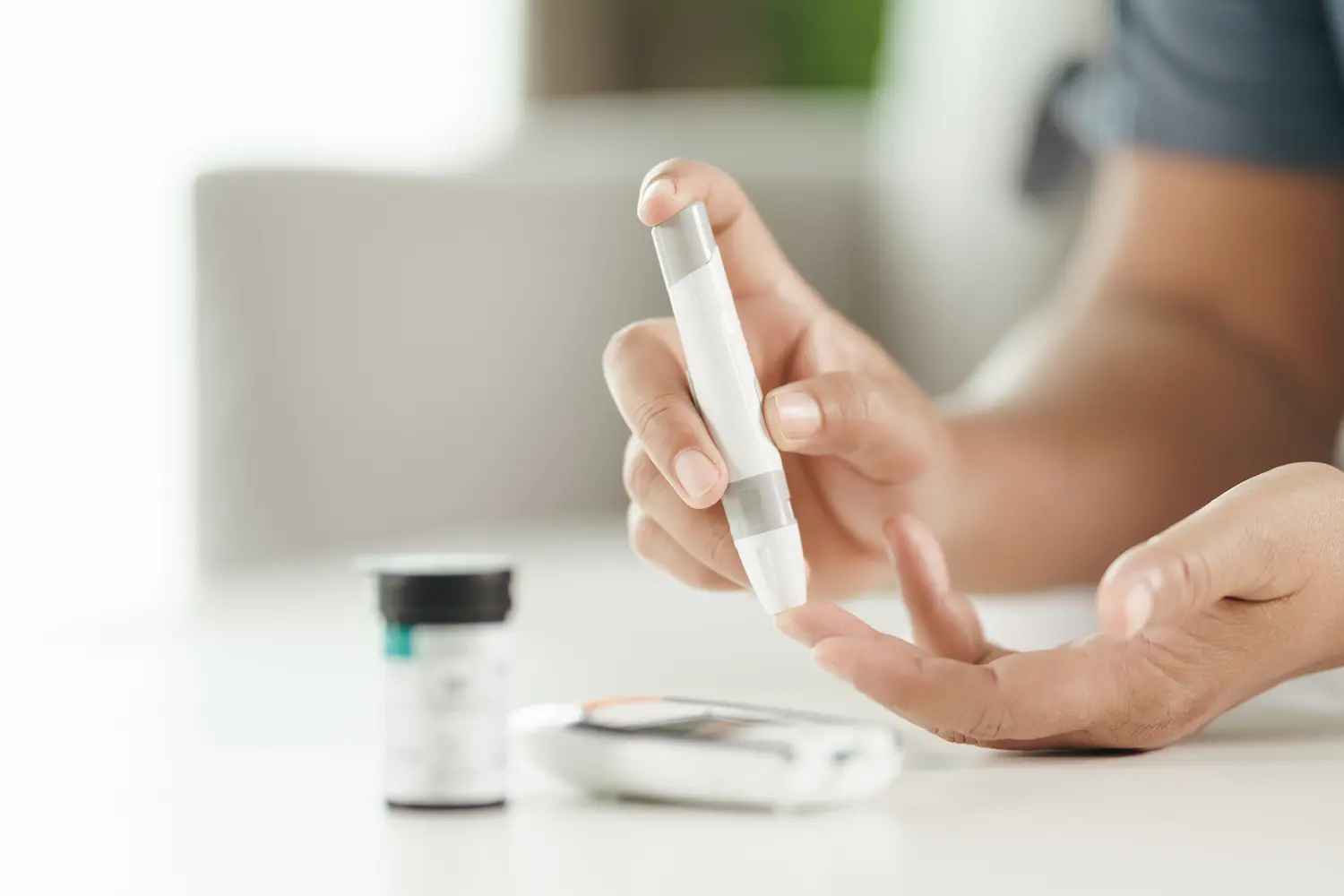
DIAGNOSIS
Diabetes is typically diagnosed by blood tests. A random blood sugar greater than 200 mg/dL, fasting blood sugar greater than 126 mg/dL, or a 3-month “average” blood sugar, called hemoglobin A1c (HbA1c), greater than 6.5% are all diagnostic of diabetes.
TREATMENT
Integrative care is ideal for diabetes management as it incorporates many modes of optimizing health.
Lifestyle
- Exercise: Exercising regularly reduces the risk of developing type 2 diabetes and improves blood sugar control when diagnosed. Aim for 30 minutes of moderate intensity exercise at least 5 days per week. Although combining aerobic and resistance exercise is best, practices like yoga, tai chi, qigong, and Pilates can also be beneficial.
- Low glycemic index and load: These scores measure the impact specific foods have on blood sugar levels. Higher glycemic load foods cause a greater blood sugar elevation. Eating a low glycemic load diet improves blood sugars. Many websites provide guidance on low glycemic load foods.
Medications
Many pharmaceutical medications enhance the body’s natural insulin and some replace insulin altogether. A common side effect of many diabetes medications is hypoglycemia, or low blood sugar. Be sure to discuss your diabetes medications with your healthcare team. Understand how each one acts, its risks and the optimal time them.
Botanical or Dietary Supplements
Make sure to ask your health care provider exactly how and when you should take these.
- Chromium is found in a variety of foods but may lower blood sugar when taken as the supplement chromium picolinate at higher doses (>200mcg/day). Chromium may cause abdominal discomfort and should be avoided at very high doses in patients with kidney or liver disease.
- Alpha-Lipoic Acid (ALA) may improve nerve pain from diabetes. The recommended dose of alpha lipoic acid is 600mg orally, or with 500–1000mg of intravenously, daily. Potential side effects include allergic reactions and low glucose (especially if taken along with insulin). ALA should not be used with cancer treatment.
- Cinnamon cassia, the most popular form of cinnamon in the United States, lowers fasting blood sugar. Dosing is 1000mg to 2000mg/day of a water-based extract.
- Fenugreek is a common cooking spice in Middle Eastern cuisine and lowers blood sugar and cholesterol levels. Dosing depends on the formulation used. Fenugreek will cause urine to smell like maple syrup.
- Gymnema leaves have been chewed in India for years and have earned the name “sugar destroyer.” Gymnema lowers glucose levels and can be taken as a tea three times daily or a supplement (standardized to 24% gymnemic acids) 400–600mg/day.
- Berberine, a compound extracted from several plants such as Oregon grape root and barberry, lowers fasting blood sugar and HbA1c. This is typically dosed as 500mg three times daily, and up to 1000mg two times a day.
MIND-BODY TECHNIQUES
Emotional stress and negative psychological states result in release of hormones that increase blood glucose, decrease insulin sensitivity, and cause inflammation.
Mind-body practices such as meditation, progressive muscle relaxation, mindfulness, yoga, guided imagery, and other modalities help reduce risk for and treat type 2 diabetes. These practices elicit the relaxation response, which regulates hormones and counteracts stress.
Disclaimer: Information provided is for general informational purposes only and is not a substitute for professional medical advice, nor does it establish a doctor-patient relationship. Always seek the advice of your qualified health provider. We assume no responsibility for errors or omissions in the content.
Find an Integrative Provider or Coach Near You
Search for integrative physicians and health experts. Partner with Andrew Weil Center-trained integrative providers who value your well-being, combine evidence-based methods to improve your health and merge conventional and natural approaches to address your mind, body, and spirit.
Visit the Tucson Clinic
Experience comprehensive care from Andrew Weil Center for Integrative Medicine clinic physicians, who offer expert consultations for various medical conditions while providing tailored recommendations for disease prevention.
Interested in becoming an integrative practitioner?
Ready to take the next step in your healing career? Discover how our educational offerings can help you blend science, compassion, and whole-person care. Enroll in our integrative health programs and gain the tools to combine modern medicine with holistic healing.
What is Integrative Medicine
Transform medicine and embrace whole person healthcare with an online course, in-person event, certificate program, or fellowship in integrative medicine.