Social Responsibility Partnership: Online Courses
Evidentree healthcare practitioners can register for courses for 50% off the regular course fee listed below. Register here.
Continuing Education Credit
Anti-Inflammatory Diet (2026-2028)
11.50 AMA PRA Category 1 Credit(s)™ available for Physicians
11.50 NCPD Credits for Nurses
$371.70 Physicians | $262.58 Healthcare Professionals/Public | $223.09 Student
Anti-Inflammatory Diet (2026-2028)
Overview
Strong evidence shows that chronic inflammation is a major driver of many chronic diseases including diabetes, heart disease, digestive disorders, and certain cancers. Taking advantage of all the current data on nutrition and its impact on inflammation, the anti-inflammatory diet is based on dietary patterns found in traditional Mediterranean and Asian eating habits. The diet is designed to replace inflammation-triggering foods with nutrient-rich micro and macronutrients that fight inflammation.
Needs Assessment
This freshly updated course provides clinicians with an in-depth understanding of how to counsel patients on dietary strategies that can reduce inflammation, decrease the risk for many chronic diseases, and improve mood and energy levels. Resources offer clinicians and patients methods to increase healthy foods on the family table.
Learning objectives
- Describe the role of inflammation in overall health and specific medical conditions.
- Explain the relationship between dietary intake and systemic inflammation.
- Identify specific dietary components that can increase inflammation in the body.
- Summarize the evidence for eating patterns that are associated with lower levels of systemic inflammation.
- Gain proficiency in structuring anti-inflammatory diets that maximize patient adherence.
Target Audience
Physicians, nurse practitioners, physician assistants, nurses, and dietitians.
Curriculum
- Introduction to the AI Diet
- Traditional Mediterranean Diet
- Traditional Asian Dietary Patterns
- Understanding Inflammation
- Backgrounder Wrap-up
- Eating Patterns - AI Diet
- Vegetables & Fruit
- Carbohydrates
- Fats
- Proteins
- Phytonutrients
- Alcohol
- AI Diet - In Practice
- Implementing the AI Diet
- Patient Waiting Room
- Course Exam
Completion Requirements
Complete all the coursework, course evaluation, and the final test with a score of 70% or better. You are allowed unlimited re-attempts. Upon successful completion, you will be able to print your certificate of completion.
Enrollment
You can register and start immediately. If you register for the course and pay with a credit card, you will have immediate access to the course. Once your registration is complete, log out and log back in, and your course will be listed on the campus page. If you cannot remember your account information, click the Forgot Password link on the login page, and it will be emailed to you.
Credit
11.50 AMA PRA Category 1 Credit(s)™ available for Physicians
11.50 NCPD Credits for Nurses
Anti-Inflammatory Diet (2026-2028)
Disclosure & Credit Information
 |
Physicians
ACCME/AMA PRA Accreditation and CME Designation Statement
The University of Arizona College of Medicine - Tucson is accredited by the Accreditation Council for Continuing Medical Education to provide continuing medical education for physicians.
The University of Arizona College of Medicine - Tucson designates this enduring material for a maximum of 11.50 AMA PRA Category 1 Credit(s)™. Physicians should claim only the credit commensurate with the extent of their participation in the activity.
This course includes an assessment of 15 questions. You must answer 70% or more correctly to receive credit for participation. You are allowed unlimited re-attempts.
Current CME Approval Period: 8/24/2026 to 8/23/2028
Most Recent Review by Author: 05/08/2026
Nurses
Nursing Continuing Professional Development Information:
This nursing continuing professional development activity was approved by the Colorado Nurses Association, an accredited approver by the American Nurses Credentialing Center's Commission on Accreditation.
11.50 NCPD Contact Hours for RNs
Current NCPD Approval Period: 8/24/2026 to 8/23/2028
Current NCPD Approval Number: 203731386
Completion Requirements
This course includes an assessment that you must answer 70% correctly or above in order to receive credit for participation. You are allowed unlimited re-attempts.
Relevant Financial Relationship Disclosure Information
University of Arizona College of Medicine - Tucson Continuing Medical Education adheres to the ACCME's Standards for Integrity and Independence in Accredited Continuing Education. Any individuals in a position to control the content of a CME activity, including faculty, planners, reviewers, or others, are required to disclose all financial relationships with ineligible entities (commercial interests). All relevant financial relationships have been mitigated prior to the commencement of the activity.
Dr. Alschuler has disclosed: Advisor-Vitazan (Relationship has ended) | Honoraria-Nordic Naturals (Relationship has ended) | Honoraria- NFH, Inc. (Relationship has ended) | Honoraria-Gaia Herbs (Relationship has ended) | Grant or research support-Pharmavite (Relationship has ended) | Honoraria-Optimal RX (Relationship has ended) | Other: Financial support for educational podcast--Kyowa | Other: Referral Commission-Fullscript | Other: Financial support for educational podcast-American Biosciences (Relationship has ended) | Other: Financial support for educational podcast-Essential Formulas | Other: Financial support for educational podcast-Integrative Therapeutics.
Dr. Schatz has disclosed: Referral Commission--Fullscript.
All other faculty, CME Planning Committee Members, and the CME Office Reviewers have disclosed that they have no relevant financial relationships with ineligible companies that would constitute a conflict of interest concerning this CME activity.
Commercial Support
There is no commercial support for this activity.
Faculty / Authors
George Schatz, MD, ABOIM, IFMCP; Associate Clinical Professor, Department Family & Community Medicine, University of Arizona College of Medicine -Tucson; Physician, Banner University Medical Center - Tucson; Faculty, Andrew Weil Center for Integrative Medicine
Lise Alschuler, ND, FABNO, eMBA, President & CEO, Sonoran University of Health Sciences
Planning Committee
George Schatz, MD, ABOIM, IFMCP; Associate Clinical Professor, Department Family & Community Medicine, University of Arizona College of Medicine -Tucson; Physician, Banner University Medical Center - Tucson; Faculty, Andrew Weil Center for Integrative Medicine
Priscilla Abercrombie, RN, PhD, Consultant
Molly K. Burke, MFA, CMT; Director of Online Education, Andrew Weil Center for Integrative Medicine
Copyright
All rights reserved - Arizona Board of Regents.
Anxiety: An Integrative Approach (2026 - 2028)
6.25 AMA PRA Category 1 Credit(s)™ available for Physicians
6.25 NCPD Credits available for Nurses.
$206.50 Physicians | $145.88 Healthcare Professionals/Public | 123.94 Student
Anxiety: An Integrative Approach (2026 - 2028)
Overview
Everyone has anxiety at some time, as we are all faced with uncertainty about the future. A certain amount of anxiety is normal and an adaptive response that has evolved to allow us to avoid danger and to stay alive. Anxiety becomes maladaptive when it interferes with functioning and restricts our life choices.
Needs Assessment
Anxiety disorders are highly prevalent and cause substantial functional impairment; they constitute the most frequent mental disorders worldwide (WHO, 2022). In the US, an analysis of epidemiologic data concluded that there is a 21% twelve-month prevalence and 34% lifetime prevalence of anxiety (Szuhany, 2022). Social anxiety, generalized anxiety, panic, and agoraphobia are the most common anxiety disorders (Szuhany, 2022).
An integrative approach dissolves the artificial boundaries between classical psychotherapy, psychopharmacology, and non-pharmacological approaches. This course will cover a variety of integrative modalities, including nutrition, mind-body, movement, manual medicine, Ayurveda, East Asian Medicine, and much more. Explore the latest research and apply the learning in clinical case-based activities.
Learning Objectives
Participants will be able to:
- Describe the public health impact of anxiety on youth and adult populations.
- Discuss brain circuitry related to anxiety and fear, as well as the sensitization leading to pathology.
- Compare the Diagnostic Statistical Manual of Mental Disorders (DSM) to the National Institute of Mental Health's Research Domain Criteria.
- Identify symptoms and characteristics of anxiety disorders in children and adults.
- List medical problems and disease states known to cause anxiety or are associated with anxiety.
- Identify medications and dietary supplements that may contribute to feelings of anxiety or panic.
- Assess the evidence for the safety and benefit of complementary and integrative approaches/practices in the treatment of anxiety.
- Assess the evidence for the safety and benefit of supplements in the treatment of anxiety.
- Assess the evidence for the effects of nutrition and physical activity on anxiety.
- Apply and review integrative medicine approaches in a variety of patient cases with anxiety.
Target Audience
Physicians, nurse practitioners, physician assistants, nurses, and dietitians.
Curriculum
- Overview
- Integrative Approaches
- Clinical Application
- Exam
Completion Requirements
Complete all the coursework, course evaluation, and the course exam with a score of 70% or better. You are allowed unlimited re-attempts. Upon successful completion, you will be able to print your certificate of completion.
Disclaimer
This course does not constitute medical advice. Healthcare providers should exercise their own independent medical judgment.
All case studies and patient scenarios in this course are used for illustrative purposes. All depictions of persons (other than faculty) are models and not actual patients.
Credit
6.25 AMA PRA Category 1 Credit(s)™ available for Physicians
6.25 NCPD Credits available for Nurses.
Anxiety: An Integrative Approach (2026-2028)
Disclosure & Education Credit Info
Physicians
ACCME/AMA PRA Accreditation and CME Designation Statement
The University of Arizona College of Medicine — Tucson is accredited by the Accreditation Council for Continuing Medical Education (ACCME) to provide continuing medical education for physicians.
The University of Arizona College of Medicine — Tucson designates this enduring material for a maximum of 6.25 AMA PRA Category 1 Credit(s)TM. Physicians should claim only the credit commensurate with the extent of their participation in the activity.
Current CME Approval Period: March 1, 2026 to February 29, 2028
Most Recent Review: November 15, 2025
Nurses
Nursing Continuing Professional Development Information
This nursing continuing professional development activity was approved by the Colorado Nurses Association, an accredited approver by the American Nurses Credentialing Center's Commission on Accreditation.
6.25 NCPD Contact Hours for RNs
Current Approval Period - NCPD: March 1, 2026 to February 29, 2028
Approval #: 203376129
Completion Requirements
Complete all the coursework, course evaluation, and the course exam with a score of 70% or better. Upon successful completion, you will be able to print your certificate of completion.
Relevant Financial Relationships Disclosure Information
University of Arizona College of Medicine — Tucson Continuing Medical Education adheres to the ACCME's Standards for Integrity and Independence in Accredited Continuing Education. Any individuals in a position to control the content of a CME activity, including faculty, planners, reviewers, or others, are required to disclose all financial relationships with ineligible entities (commercial interests). All relevant financial relationships have been mitigated prior to the commencement of the activity.
Dr. Alschuler has disclosed Advisor-Vitazan (Relationship has ended) | Honoraria-Nordic Naturals (Relationship has ended) | Honoraria-NFH, Inc. (Relationship has ended) | Honoraria-Gaia Herbs | Grant or research support-Pharmavite (Relationship has ended) | Honoraria-Optimal RX (Relationship has ended) | Other: Financial support for educational podcast-Kyowa|Other: Referral Commission-Fullscript | Other: Financial support for educational podcast-American Biosciences (Relationship has ended) | Other: Financial support for educational podcast-Essential Formulas | Other: Financial support for educational podcast-Integrative Therapeutics.
Dr. Kominos has disclosed the following: referral commission, Fullscript | Consulting-Nature’s Way (Relationship has ended).
All other individuals in a position to control the content of this CME activity, including faculty, planners, reviewers or others have disclosed that they have no relevant financial relationships with ineligible companies that would constitute a conflict of interest concerning this CME activity.
Commercial Support
There is no commercial support for this activity.
Faculty / Authors
Noshene Ranjbar, MD; Medical Director, Integrative Psychiatry Clinic, Banner-UA Tucson; Medical Director, Child and Adolescent Psychiatry Clinic, Banner-UA Tucson; Co-Director of Integrative Medicine in Residency-Psychiatry, Department of Psychiatry, University of Arizona. Faculty, Center for Mind-Body Medicine; Faculty, Andrew Weil Center for Integrative Medicine
Lewis Mehl-Madrona, MD, Physician, Acadia Psychiatric Hospital, Bangor, ME; Physician, Family Medicine Residency, Eastern Maine Medical Center, Bangor, ME
Vivian A. Kominos, MD, FACC, ABOIM; Integrative Cardiologist at Kominos Integrative Cardiology, LLC, Clinical Assistant Professor, Andrew Weil Center for Integrative Medicine
Lise Alschuler, ND, Professor of Clinical Medicine, University of Arizona; Assistant Director of the Fellowship in Integrative Medicine, Andrew Weil Center for Integrative Medicine
Amelia Villagomez, MD; Clinical Assistant Professor of Psychiatry, University of Arizona; Clinical Assistant Professor of Psychiatry, University of Saskatchewan
Planning Committee
Vivian A. Kominos, MD, FACC, ABOIM; Integrative Cardiologist at Kominos Integrative Cardiology, LLC, Clinical Assistant Professor, Andrew Weil Center for Integrative Medicine
Elizabeth Knight, PhD, DNP, FNP-C; Integrative Health Coach, Flower Power Health and Nurse Practitioner, Reed College
Molly K. Burke, MFA, CMT; Director of Online Education, Andrew Weil Center for Integrative Medicine
Copyright
All rights reserved - Arizona Board of Regents.
Breast Cancer: An Integrative Approach (2025-2027)
12.5 AMA PRA Category 1 Credit(s)™ available for Physicians
$413.00 Physicians | $291.75 Healthcare Professionals/Public | $247.88 Student
Breast Cancer: An Integrative Approach (2025-2027)
Overview
In the United States, one in eight women, and a steadily rising number of men, will confront a breast cancer diagnosis during their lifetime. Fortunately, the majority of people diagnosed with breast cancer survive. Yet survival isn’t the only concern. A diagnosis of breast cancer brings with it a long road of treatment decisions, side‑effect management, and the work of reclaiming a life.
Needs Assessment
This course presents an integrative approach to breast cancer, equipping practitioners and other healthcare professionals with clinical tools and evidence to guide patients through the phases of breast cancer management and recovery. Each module distills the latest research on integrative approaches to breast cancer—nutrition, movement, mind/body practices, restorative sleep, dietary supplements, and social connection—and shows how to adjunctively utilize them with standard medical care.
The focus is practical: Which dietary patterns best support treatment tolerance? How can we develop approachable movement plans during treatment and recovery? Which integrative strategies should be prioritized for reducing the risk of breast cancer?
By the end of this breast cancer course, clinicians will be able to:
- Recognize modifiable risk factors for breast cancer.
- Identify integrative strategies that support patients alongside surgery, radiation, chemotherapy, and hormonal therapy.
- Recommend evidence‑informed lifestyle interventions during treatment and survivorship.
- Address common concerns, from fatigue and bone loss to cognitive fog, with actionable, whole‑person care plans.
Featuring self-paced modules, this integrative approach to breast cancer equips oncologists, clinicians, and other healthcare professionals to treat not just the disease, but the person living with it.
Practitioners trained in an integrative medicine model have the potential to improve outcomes, encourage optimism and resilience, and teach innovative, effective approaches to self-care in their patients.
Learning Objectives
Breast Cancer Risk Reduction
Participants will be able to:
- Identify modifiable risk factors for breast cancer .
- Integrate breast cancer risk reduction strategies into patient management.
- Apply strategies to help patients address modifiable risk factors, including stress, alcohol intake, physical activity, sleep, environmental pollution and obesity.
- Evaluate the influence of adverse childhood experiences on breast cancer risk.
- Inform patients of the role of dietary patterns and nutrition in breast cancer risk reduction..
- Recognize women at high risk for breast cancer in the clinical setting.
- Integrate wearable trackers in lifestyle-based risk reduction.
- Apply evidence-based integrative approaches to breast cancer risk reduction in a case-based learning format.
Breast Cancer Treatment
Participants will be able to:
- Utilize biopsy findings in a comprehensive approach to integrative breast cancer management.
- Include surgical options for breast cancer treatment and reconstruction in patient management.
- Engage in patient-centric dialogue and decision-making from a benefits:risk perspective regarding breast surgery.
- Assess methods used to optimize surgical outcomes, improve patient experience, and reduce the risk of surgical complications.
- Apply knowledge of classes of drug therapies and radiation therapy for breast cancer treatment, their associated adverse effects, and evidence-based approaches to prevent or minimize these effects.
- Evaluate commonly used mind-body medicine approaches in the clinical support of women during breast cancer treatment.
- Apply an evidence-based approach to clinical recommendations in nutrition, exercise, mind-body approaches, whole systems approaches, and dietary supplements which have been shown to improve the efficacy and/or mitigate adverse side effects of breast cancer chemotherapy.
- Discuss the clinical evidence for integrative strategies which mitigate adverse side effects of breast cancer radiation therapy.
- Recognize common toxicities associated with targeted drug and endocrine treatment of breast cancer and apply integrative strategies to address these toxicities.
- Apply evidence-based integrative medicine strategies to breast cancer using case-based learning that addresses a variety of diagnostic and treatment scenarios.
Breast Cancer Survivorship
Participants will be able to:
- Discuss guidelines for post-treatment surveillance.
- Gain familiarity with monitoring breast cancer patients for treatment-related effects and signs of recurrence post-treatment.
- Counsel patients about modifiable risk factors for breast cancer recurrence and strategies to address these risks.
- Discuss integrative medicine strategies, inclusive of diet, physical activity, stress management, and dietary supplementation, to address modifiable risk factors for breast cancer recurrence.
- Demonstrate approaches to prevent or reduce symptoms of physical weakness, functional impairment, lymphedema, and cognitive and nerve damage caused by surgery and radiation therapy for breast cancer.
- Utilize evidence-based evidence-based integrative approaches to manage hot flashes, osteoporosis, and sexual function in association with long-term endocrine therapy for breast cancer.
- Utilize evidence-based integrative medicine approaches to mental health after breast cancer treatment, including depression, anxiety, insomnia, and fatigue.
- Apply evidence-based integrative medicine strategies in case-based learning format to address the complex needs of breast cancer survivors.
Target Audience
Physicians, nurse practitioners, physician assistants, nurses, and dietitians.
Curriculum
Course Modules
RISK REDUCTION
Reducing the Risk of Breast Cancer: An Integrative Approach
TREATMENT
Treatment Options
Reducing Adverse Effects of Drug Therapy
Reducing Adverse Effects of Radiation Therapy
SURVIVORSHIP
Monitoring and Decreasing Recurrence Risk
Physical Rehabilitation in Breast Cancer Survivors
Endocrine Considerations
Mental Health and Breast Cancer
EVALUATION & EXAM
Breast Cancer Evaluation
Breast Cancer Exam
Completion Requirements
Complete all the coursework, course evaluation, and the course exam with a score of 70% or better. You are allowed unlimited re-attempts. Upon successful completion, you will be able to print your certificate of completion.
Credit
12.5 AMA PRA Category 1 Credit(s)™ available for Physicians
Breast Cancer: An Integrative Approach (2025-2027) Disclosure & Education Credit Info
Physicians
ACCME/AMA PRA Accreditation and CME Designation Statement
The University of Arizona College of Medicine – Tucson is accredited by the Accreditation Council for Continuing Medical Education to provide continuing medical education for physicians.
The University of Arizona College of Medicine – Tucson designates this enduring material for a maximum of 12.50 AMA PRA Category 1 Credit(s)™. Physicians should claim only the credit commensurate with the extent of their participation in the activity.
Current CME Approval Period: October 1, 2025 - September 30, 2027
Most Recent Review by Author: May 28, 2025
Relevant Financial Relationships Statement
University of Arizona College of Medicine – Tucson Continuing Medical Education adheres to the ACCME's Standards for Integrity and Independence in Accredited Continuing Education. Any individuals in a position to control the content of a CME activity, including faculty, planners, reviewers, or others, are required to disclose all financial relationships with ineligible entities (commercial interests). The CME office reviewers have nothing to disclose. All relevant financial relationships have been mitigated prior to the commencement of the activity.
Dr. Alschuler has disclosed Advisor-Vitazan (Relationship has ended)|Honoraria-Nordic Naturals (Relationship has ended)|Honoraria-NFH, Inc. (Relationship has ended)|Honoraria-Gaia Herbs|Grant or research support-Pharmavite (Relationship has ended)|Honoraria-Optimal RX (Relationship has ended)|Other: Financial support for educational podcast-Kyowa|Other: Referral Commission-Fullscript|Other: Financial support for educational podcast-American Biosciences (Relationship has ended)|Other: Financial support for educational podcast-Essential Formulas|Other: Financial support for educational podcast-Integrative Therapeutics.
Dr. Echols has disclosed Grant or research support-AbbVie (Relationship has ended)|Membership on Advisory Committees or Review Panels, Board Membership, etc.-AbbVie|Paid consultant-Medtronic|Consulting Fee-Watson-Conti|Grant or research support-Watson-Conti (Relationship has ended).
All other individuals in a position to control the content of this activity, including faculty, planners, reviewers, or others, have disclosed that they have no relevant financial relationships with ineligible companies that would constitute a conflict of interest concerning this activity.
Commercial Support
There is no commercial support for this activity.
Faculty / Authors
Lise Alschuler, ND; Co-Director, Fellowship in Integrative Medicine, Andrew Weil Center for Integrative Medicine
Dawn Lemanne, MD, MPH; Founder, Oregon Integrative Oncology, Ashland, OR
Ana Maria Lopez, MD, MPH, ABOIM; Founder, Oregon Integrative Oncology, Ashland, OR
Karolynn Echols-Lara, MD; Chief of Female Pelvic Medicine and ReconstructiveSurgery in Ob/Gyn at Thomas Jefferson University, Philadelphia PA
Steven Gurgevich, PhD, MA, MEd, BS; Clinical Asst Professor of Medicine and Director, The Mind-Body Clinic, Tucson, Arizona
Jaimie Perkunas, DPT, e-RYT, C-IAYT; Owner, Yoga Is Therapy, Tucson, AZ
Planning Committee
Lise Alschuler, ND; Associate Director, Fellowship Andrew Weil Center for Integrative Medicine; Professor, Department of Medicine University of Arizona College of Medicine-Tucson
Molly K. Burke, MFA, CMT; Director of Online Education, Andrew Weil Center for Integrative Medicine
Completion Requirements
Complete all the coursework, course evaluation, and the final test with a score of 70% or better. You are allowed unlimited re-attempts. Upon successful completion, you will be able to print your certificate of completion.
Copyright
All rights reserved - Arizona Board of Regents.

Depression: An Integrative Approach (2026-2028)
7.75 AMA PRA Category 1 Credit(s)™ available for Physicians
7.75 NCPD Credits available for Nurses.
$256.06 Physicians | $180.89 Healthcare Professionals/Public | $153.68 Student
Depression: An Integrative Approach (2026-2028)
Overview
Build on your integrative knowledge, in this course focused on addressing patients with depression. According to the Centers for Disease Control (CDC), in 2020, one in five adults in the US reported a diagnosis of depression by their health provider. Depression is a major contributor to morbidity, mortality, and economic cost. It cuts across socioeconomic boundaries, race, age, and gender and is associated with serious comorbidities such as cardiovascular disease, obesity, chronic pain, diabetes, and substance abuse.
Within conventional practice, the combined use of antidepressant medications and psychotherapy has been considered the standard recommendation for the treatment of all patients with major depressive disorder (MDD). Increasingly, however, the reliance on medications has been questioned in the scientific literature.
Needs Assessment
For patients to have access to safe and evidence-based integrative approaches, a shift in focus and priorities of funding within the society as a whole are needed. Given the significant impact of depression on patients' lives, safer and more efficacious therapeutic approaches to depression are urgently needed, a fact that has lent momentum to the development of integrative approaches to this complex illness. Expand your ability to support your patients with an integrative approach to depression.
Learning Objectives
Participants will be able to:
- Describe the public health impact of depression, including suicide rates and disparities across age, gender, race, and geographic location.
- Discuss concerns related to medication-focused treatment of depression.
- Review etiological factors for depression.
- Identify symptoms of depression.
- List medical problems and disease states known to cause or are associated with depression.
- Identify medications with depression as potential adverse effects.
- Review conventional treatment approaches for depression.
- Assess the evidence for the safety and benefit of complementary and integrative approaches/practices in the treatment of depression.
- Assess the evidence for the safety and benefit of supplements and botanicals in the treatment of depression.
- Assess the evidence for the effects of lifestyle factors on depression.
- Apply and review integrative medicine approaches in a variety of patient cases with depression.
Target Audience
This activity is intended for physicians, nurse practitioners, nurses, physician assistants, psychologists, and behavioral health professionals in any specialty. In addition, all healthcare professionals who have an interest in an integrative approach to healing are targeted.
Curriculum
- Overview
- Treatment Approaches
- Lifestyle Factors
- Botanical and Dietary Supplements
- Mind-Body Techniques
- Other Integrative Approaches
- Clinical Application
- Course Exam
Completion Requirements
Complete all the coursework, course evaluation, and the final test with a score of 70% or better. Upon successful completion, you will be able to print your certificate of completion.
Credit
7.75 AMA PRA Category 1 Credit(s)™ available for Physicians
7.75 NCPD Credits available for Nurses.
Depression: An Integrative Approach (2026-2028)
Disclosure & Education Credit Info
Physicians
ACCME/AMA PRA Accreditation and CME Designation Statement
The University of Arizona College of Medicine — Tucson is accredited by the Accreditation Council for Continuing Medical Education (ACCME) to provide continuing medical education for physicians.
The University of Arizona College of Medicine — Tucson designates this enduring material for a maximum of 7.75 AMA PRA Category 1 Credit(s) ™. Physicians should claim only the credit commensurate with the extent of their participation in the activity.
Current CME Approval Period: May 6, 2026–May 5, 2028
Most Recent Review: January 30, 2026
Nurses
Nursing Continuing Professional Development Information
This nursing continuing professional development activity was approved by the Colorado Nurses Association, an accredited approver by the American Nurses Credentialing Center's Commission on Accreditation.
7.75 NCPD Contact Hours for RNs
Current Approval Period: May 6, 2026–May 5, 2028
Completion Requirements
Complete all the coursework, course evaluation, and the final test with a score of 70% or better. You are allowed unlimited re-attempts. Upon successful completion, you will be able to print your certificate of completion.
Relevant Financial Relationship Disclosure Information
University of Arizona College of Medicine – Tucson Continuing Medical Education adheres to the ACCME's Standards for Integrity and Independence in Accredited Continuing Education. Any individuals in a position to control the content of a CME activity, including faculty, planners, reviewers, or others, are required to disclose all financial relationships with ineligible companies (commercial interests). The CME office reviewers have nothing to disclose. All relevant financial relationships have been mitigated prior to the commencement of the activity.
Dr. Lee has disclosed: Stocks or stock options, excluding diversified mutual funds-Mindmed (Relationship has ended)|Stocks or stock options, excluding diversified mutual funds-Compass Pathways (Relationship has ended)|Stocks or stock options, excluding diversified mutual funds-Cybin (Relationship has ended).
Dr. Raison has disclosed: Paid consultant-Novartis Corporation Pharmaceuticals (Relationship has ended)|Paid consultant-Otsuka|Paid consultant-Usona Institute|Paid consultant-AbbVie (Any division).
All other faculty, CME Planning Committee Members, and the CME Office Reviewers have disclosed that they have no relevant financial relationships with ineligible companies that would constitute a conflict of interest concerning this CME activity.
Commercial Support
There is no commercial support for this activity.
Faculty / Authors
Allison Lee, MD; Owner, Private Practice - C. Allison Lee, M.D.
Noshene Ranjbar, MD; Medical Director, Integrative Psychiatry Clinic, Banner-UA Tucson; Medical Director, Child and Adolescent Psychiatry Clinic, Banner-UA Tucson; Co-Director of Integrative Medicine in Residency-Psychiatry, Department of Psychiatry, University of Arizona. Faculty, Center for Mind-Body Medicine; Faculty, Andrew Weil Center for Integrative Medicine.
Charles Raison, MD; Professor, Department of Psychiatry, School of Medicine and Public Health: University of Wisconsin-Madison.
Planning Committee
Ann Marie Chiasson, MD, MPH, ABOIM; Director of Education and the Fellowship, University of Arizona Center for Integrative Medicine.
Priscilla Abercrombie, RN, PhD; Women's Health & Healing Integrative Health Coach.
Copyright
All rights reserved — Arizona Board of Regents.

Integrative Environmental Health: An Introduction (2026-2028)
8.25 AMA PRA Category 1 Credit(s)™ available for Physicians
8.25 NCPD Credits available for Nurses.
Free for Physicians | Free for Healthcare Professionals/Public | Free for Student
Integrative Environmental Health: An Introduction (2026-2028)
Overview
Environmental health is based on the premise that what we eat or are exposed to in our environment directly affects our health. It examines the impact of air pollutants, pesticides, heavy metals, toxicants, and other environmental factors on the health of individuals and populations.
Needs Assessment
Designed for medical and nursing personnel, this Introduction to Integrative Environmental Health course primarily focuses on the broader patterns of disease caused by environmental toxicants. Learn about the major chemicals affecting our health as we break down their impacts across our environment — Air, Land, and Water. By understanding the links between chronic disease and environmental toxicants, students learn how to support a patient's whole health. The course is not an exhaustive review of individual toxicants but focuses on the toxicants of greatest concern and prevalence. Important resources are shared throughout.
Once you have completed this Introduction course, enroll in The Integrative Environmental Health: Advanced Approaches. This course will build upon the Introduction course by exploring a more in-depth clinical approach — what populations are most at risk, how to take an environmental health patient history, emerging research, and case-based learning — to reinforce clinical relevance.
Learning Objectives
Participants will be able to:
- Appraise the links between environmental toxicants and the documented rise of complex chronic illnesses, such as obesity, metabolic syndrome, cancers, neurodevelopmental disorders, and reproductive health.
- Recognize how an integrative medicine model may be applied in the prevention of environmentally-associated diseases.
- Identify the primary categories of chemical toxicants present in the environment and interpret how their mechanisms of action may impact human health.
- Identify the range of toxicants known to demonstrate endocrine disruptor activity in humans.
- Review consumer resources that can help individuals reduce unnecessary environmental toxicant exposures.
- Recognize how cultural and socioeconomic status may influence the number of exposures and the ability to limit exposure.
Target Audience
Physicians, nurse practitioners, nurses, physician assistants, psychologists, and psychiatrists in any specialty.
Curriculum
- Introduction
- From Environment to Humans
- Air
- Land
- Water
- Course Exam
Completion Requirements
Complete all the coursework, course evaluation, and the course exam with a score of 70% or better. You are allowed unlimited re-attempts. Upon successful completion, you will be able to print your certificate of completion.
Course Fees
Physicians - $272.58
Other Healthcare Professionals/General Public - $192.56
Students - $163.60
The Center (AWCIM) is waiving the registration cost. Enrollment is free!
Credit
8.25 AMA PRA Category 1 Credit(s)™ available for Physicians
8.25 NCPD Credits available for Nurses.
Integrative Environmental Health: An Introduction (2026-2028)
Disclosure & Education Credit Info
Physicians
ACCME/AMA PRA Accreditation and CME Designation Statement
The University of Arizona College of Medicine — Tucson is accredited by the Accreditation Council for Continuing Medical Education (ACCME) to provide continuing medical education for physicians.
The University of Arizona College of Medicine — Tucson designates this enduring material for a maximum of 8.25 AMA PRA Category 1 Credit(s)™. Physicians should claim only the credit commensurate with the extent of their participation in the activity.
Current CME Approval Period: January 14, 2026 to January 13, 2028
Most Recent Review: October 27, 2025
Nurses
Nursing Continuing Professional Development Information
This nursing continuing professional development activity was approved by the Colorado Nurses Association, an accredited approver by the American Nurses Credentialing Center's Commission on Accreditation.
8.25 NCPD Contact Hours for RNs
Current Approval Period - NCPD: January 14, 2026 to January 13, 2028
Completion Requirements
Complete all the coursework, course evaluation, and the course exam with a score of 70% or better. Upon successful completion, you will be able to print your certificate of completion.
Relevant Financial Relationships Disclosure Information
University of Arizona College of Medicine – Tucson Continuing Medical Education adheres to the ACCME's Standards for Integrity and Independence in Accredited Continuing Education. Any individuals in a position to control the content of a CME activity, including faculty, planners, reviewers, or others, are required to disclose all financial relationships with ineligible entities (commercial interests). All relevant financial relationships have been mitigated prior to the commencement of the activity.
Dr. Lyn Patrick has disclosed the following: Consultant, Biocidin LLC (Relationship has ended).
All other individuals in a position to control the content of this CME activity, including faculty, planners, reviewers or others have disclosed that they have no relevant financial relationships with ineligible companies that would constitute a conflict of interest concerning this CME activity.
Commercial Support
There is no commercial support for this activity.
Faculty / Authors
Aly Cohen MD, FACR; Integrative Rheumatologist, Environmental Health Expert, Curriculum Creator, Bestselling Author, Legal Expert
Lyn Patrick, ND
Planning Committee
Victoria Maizes, MD; Professor of Medicine; Executive Director, Arizona Center for Integrative Medicine
Ann Marie Chiasson, MD, MPH; Director, Fellowship Program, Andrew Weil Center for Integrative Medicine, University of Arizona; Associate Professor of Clinical Medicine, University of Arizona College of Medicine- Tucson
Elizabeth Knight, PhD, DNP, FNP-C; Integrative Health Coach, Flower Power Health and Nurse Practitioner, Reed College
Copyright
All rights reserved - Arizona Board of Regents.

Integrative Environmental Health: Advanced Approaches (2026-2028)
4.75 AMA PRA Category 1 Credit(s)™ available for Physicians
4.75 NCPD Credits available for Nurses.
Free for Physicians | Free for Healthcare Professionals/Public | Free for Student
Integrative Environmental Health: Advanced Approaches (2026-2028)
Overview
Why is Environmental health education important in clinical practice, and how can it help your patients? Many health issues occur due to negative environmental factors, but the causes often go unnoticed due to a lack of education in this area. Understanding how to assess and complete a patient's environmental health history and what actions to take in finding solutions to improve their health will be beneficial to your practice.
Needs Assessment
Designed for medical and nursing personnel, this Advanced Approaches course will build on the Integrative Environmental Health: An Introduction course by exploring a more in-depth clinical approach – what populations are most at risk, how to take an environmental health patient history, emerging research, and case-based learning – to reinforce clinical relevance. Enroll and complete the Introduction course first, then enroll and complete the Advanced Approaches course.
Learning Objectives
Participants will be able to:
- Identify vulnerable patient populations in terms of environmental toxicant exposures.
- Apply a structured approach to taking an environmental medicine history that includes consideration of potential toxicants in air, land, and water.
- Assess the impact of some emerging technologies and agricultural practices on environmental medicine and how they affect human health.
- Identify advocacy resources in the field of environmental health and medicine.
- Identify persistent organic pollutants, their ramifications to health, and associated global regulations.
- Identify the role of epigenetics and the exposome in the intersection of toxicant exposure and related health effects.
- Apply information about exposure safety for electromagnetic radiation regarding everyday use of devices.
- Apply information and use resources about reproductive toxicant exposures, notably endocrine disruptors, and inpatient preconception counseling.
Target Audience
Physicians, nurse practitioners, nurses, physician assistants, psychologists, and psychiatrists in any specialty.
Curriculum
- Taking an Environmental Medicine History
- Patient Waiting Room
- Emerging Research
- Course Exam
Completion Requirements
Complete all the coursework, course evaluation, and the course exam with a score of 70% or better. You are allowed unlimited re-attempts. Upon successful completion, you will be able to print your certificate of completion.
Course Fees
Physicians - $156.94
Other Healthcare Professionals/General Public - $110.87
Students - $94.19
The Center (AWCIM) is waiving the registration cost. Enrollment is free!
Credit
4.75 AMA PRA Category 1 Credit(s)™ available for Physicians
4.75 NCPD Credits available for Nurses.
Integrative Environmental Health: Advanced Approaches (2028-2026)
Disclosure & Education Credit Info
Physicians
ACCME/AMA PRA Accreditation and CME Designation Statement
The University of Arizona College of Medicine — Tucson is accredited by the Accreditation Council for Continuing Medical Education (ACCME) to provide continuing medical education for physicians.
The University of Arizona College of Medicine — Tucson designates this enduring material for a maximum of 4.75 AMA PRA Category 1 Credit(s)™. Physicians should claim only the credit commensurate with the extent of their participation in the activity.
Current CME Approval Period: January 14, 2026 to January 13, 2028
Most Recent Review: October 27, 2025
Nurses
Nursing Continuing Professional Development Information
This nursing continuing professional development activity was approved by the Colorado Nurses Association, an accredited approver by the American Nurses Credentialing Center's Commission on Accreditation.
4.75 NCPD Contact Hours for RNs
Current Approval Period - NCPD: January 14, 2026 to January 13, 2028
Completion Requirements
Complete all the coursework, course evaluation, and the course exam with a score of 70% or better. Upon successful completion, you will be able to print your certificate of completion.
Relevant Financial Relationships Disclosure Information
University of Arizona College of Medicine – Tucson Continuing Medical Education adheres to the ACCME's Standards for Integrity and Independence in Accredited Continuing Education. Any individuals in a position to control the content of a CME activity, including faculty, planners, reviewers, or others, are required to disclose all financial relationships with ineligible entities (commercial interests). All relevant financial relationships have been mitigated prior to the commencement of the activity.
Dr. Lyn Patrick has disclosed the following: Consultant, Biocidin LLC (Relationship has ended).
All other individuals in a position to control the content of this CME activity, including faculty, planners, reviewers or others have disclosed that they have no relevant financial relationships with ineligible companies that would constitute a conflict of interest concerning this CME activity.
Commercial Support
There is no commercial support for this activity.
Faculty / Authors
Aly Cohen MD, FACR; Integrative Rheumatologist, Environmental Health Expert, Curriculum Creator, Bestselling Author, Legal Expert
Lyn Patrick, ND
Planning Committee
Victoria Maizes, MD; Professor of Medicine; Executive Director, Arizona Center for Integrative Medicine
Ann Marie Chiasson, MD, MPH; Director, Fellowship Program, Andrew Weil Center for Integrative Medicine, University of Arizona; Associate Professor of Clinical Medicine, University of Arizona College of Medicine- Tucson
Elizabeth Knight, PhD, DNP, FNP-C; Integrative Health Coach, Flower Power Health and Nurse Practitioner, Reed College
Copyright
All rights reserved - Arizona Board of Regents.

Integrative Cardiology - The Basics, Nutrition and CVD Risks (2026-2028)
16.25 AMA PRA Category 1 Credit(s)™ available for Physicians.
Please note, our Nutrition and CVH is a more focused version of this course. We suggest you decide if you want this full Integrative Cardiology course, or the nutrition focused course and enroll in just one.
594.72 Physicians | 420.12 Healthcare Professionals/Public | 356.94 Student
Integrative Cardiology - The Basics, Nutrition and CVD Risks (2026-2028)
Overview
For over 100 years more Americans have died from cardiovascular disease (CVD) than any other cause. The costs of CVD in the United States are estimated at $240 billion per year. These are staggering statistics, given the fact that the majority of cardiovascular diseases can be prevented.
For too long, medical training has focused on the mechanical and pharmaceutical management of CVD with less emphasis on its prevention. Defining cardiac disease and health by concentrating on several millimeter areas of the heart is not appropriate. The heart has a "mind of its own" through its extensive neural and humoral connections, and multiple modalities can be utilized to heal the heart and to keep it healthy. Integrative medicine offers clinicians a broad array of tools for both patient care and personal health in this regard.
Needs Assessment
This course reviews how apply evidence-based integrative approaches to the prevention and mitigation of CVD. Besides current studies on nutrition and specific diets, this course includes other lifestyle factors, mind-body medicine, botanicals, supplements and Eastern medicine that support CVD health. The best treatments for hypertension, dyslipidemia and metabolic syndrome are covered.
Learning Objectives
Participants will be able to:
- Discuss the prevalence of cardiovascular disease (CVD), its associated risks, and the social determinants of health that influence those risks.
- Identify common risk factors for CVD and explain evidence-based integrative modalities used in their prevention and treatment.
- Use CVD risk calculators to stratify cardiovascular risk in clinical practice and explain their strengths and weaknesses.
- Explain how nutrition and specific dietary approaches affect heart health.
- Develop an integrative treatment plan for hypertension that incorporates physical activity, mind-body medicine, botanicals, supplements, acupuncture, and pharmacotherapy.
- Discuss integrative treatment of dyslipidemia, using information about advanced lipid testing, as well as the latest evidence-based lifestyle, exercise, and mind-body approaches long with latest guidelines on pharmacotherapy.
- Describe lifestyle, supplement, botanical, and mind-body medicine approaches to the treatment of metabolic syndrome.
Target Audience
This enduring material educational program is intended for physicians, nurse practitioners, physician assistants, nurses, and dietitians with interest in the role of integrative medicine in cardiovascular health, as well as other healthcare professionals who have an interest in integrative health and medicine.
Curriculum
- Introduction to Cardiovascular Health
- Nutrition and Cardiovascular Health: An Introduction
- Nutrition for Cardiovascular Health: Macronutrients
- Nutrition for Cardiovascular Health: Specific Diets
- Hypertension
- Dyslipdemia
- Metabolic Syndrome
- Clinical Applications
- Course Exam
Completion Requirements
Complete all the course work, course evaluation, and the final test with a score of 70% or better. Upon successful completion, you will be able to print your certificate of completion.
Credit
16.25 AMA PRA Category 1 Credit(s)™ available for Physicians.
Please note, our Nutrition and CVH is a more focused version of this course. We suggest you decide if you want this full Integrative Cardiology course, or the nutrition focused course and enroll in just one.
Integrative Cardiology - The Basics, Nutrition and CVD Risks (2026-2028)
Disclosure & Credit Information
Physicians
ACCME/AMA PRA Accreditation and CME Designation Statement
The University of Arizona College of Medicine – Tucson is accredited by the Accreditation Council for Continuing Medical Education (ACCME) to provide continuing medical education for physicians.
The University of Arizona College of Medicine – Tucson designates this enduring material for a maximum of 16.25 AMA PRA Category 1 Credit(s)™. Physicians should claim only the credit commensurate with the extent of their participation in the activity.
Current CME Approval Period: October 2, 2026 - October 1, 2028
Date of Most Recent Review: July 24, 2026
Completion Requirements
Complete all the coursework, course evaluation, and the final test with a score of 70% or better. You are allowed unlimited re-attempts. Upon successful completion, you will be able to print your certificate of completion.
Relevant Financial Relationships Disclosure Information
University of Arizona College of Medicine – Tucson Continuing Medical Education adheres to the ACCME's Standards for Integrity and Independence in Accredited Continuing Education. Any individuals in a position to control the content of a CME activity, including faculty, planners, reviewers, or others, are required to disclose all financial relationships with ineligible entities (commercial interests). All relevant financial relationships have been mitigated prior to the commencement of the activity.
Dr. Kominos has disclosed the following: referral commission, Fullscript.
All other faculty, CME Planning Committee Members, and the CME Office Reviewers have disclosed that they have no relevant financial relationships with ineligible companies that would constitute a conflict of interest concerning this CME activity.
Commercial Support
There is no commercial support for this activity.
Faculty / Authors
Vivian Kominos, MD, FACC, ABOIM; Integrative Cardiologist at Kominos Integrative Cardiology, LLC, Clinical Assistant Professor, Andrew Weil Center for Integrative Medicine
Tamara Steinitz, MS, RDN; Professor Emeritus Utah State University Department of Nutrition & Food Sciences, Former Director Didactic Program in Dietetics Utah State University
Priscilla Abercrombie, RN, PhD, AHN-BC; Founder, Women's Health & Healing Integrative Health Coach
Planning Committee
Vivian Kominos, MD, FACC, ABOIM; Integrative Cardiologist at Kominos Integrative Cardiology, LLC, Clinical Assistant Professor, Andrew Weil Center for Integrative Medicine
Molly K. Burke, MFA, CMT; Director of Online Education, Andrew Weil Center for Integrative Medicine
Introduction to Integrative Oncology (2025-2027)
5.0 AMA PRA Category 1 Credit(s)™ available for Physicians
$165.20 Physicians | $116.70 Healthcare Professionals/Public | $99.15 Student
Introduction to Integrative Oncology (2025-2027)
Overview
It is estimated that a great majority of cancer patients are using complementary therapies in addition to conventional care. As patients face a life-threatening diagnosis out of their control, they turn to therapies that offer hope and a regained sense of empowerment. Learn about controlling weight, the impact of nutrition, dietary supplements, stress reduction, Traditional Chinese Medicine, Chemo-CAM interactions and more.
Needs Assessment
This educational activity is designed to provide practitioners with an overview of integrative modalities and treatments that are beneficial for cancer care for patients in active treatment and survivorship, as well as prevention strategies.
Learning Objectives
Participants will be able to:
- Define integrative oncology and summarize the nature of complementary and integrative medicine use by cancer patients.
- Describe integrative cancer care for patients receiving conventional cancer treatment and also for post-treatment cancer survivors.
- Describe dietary guidelines for cancer patients.
- Describe published evidence relating to the indications, limitations, and contraindications of botanicals and supplements in cancer care.
- Evaluate the benefits of mind-body medicine approaches for cancer supportive care using an evidence-informed perspective.
- Assess the potential applications for whole systems of medicine in oncology and examine the evidence for acupuncture in oncology.
Target Audience
This enduring material educational program is intended for physicians, nurse practitioners, nurses, physician assistants, psychologists, and psychiatrists in any specialty. In addition, all healthcare professionals who have an interest in an integrative approach to healing are targeted.
Curriculum
- Introduction to Integrative Oncology
- Weight, Nutrition, and Physical Activity
- Botanicals & Dietary Supplements
- Mind-Body Approaches
- Whole Systems of Medicine
- Course Exam
Completion Requirements
Complete all the course work, course evaluation, and the final test with a score of 70% or better. Upon successful completion, you will be able to print your certificate of completion.
Credit
5.0 AMA PRA Category 1 Credit(s)™ available for Physicians
Introduction to Integrative Oncology (2025-2027) Disclosure & Education Credit Info
Physicians
ACCME/AMA PRA Accreditation and CME Designation Statement
The University of Arizona College of Medicine – Tucson is accredited by the Accreditation Council for Continuing Medical Education to provide continuing medical education for physicians.
The University of Arizona College of Medicine – Tucson designates this enduring material for a maximum of 5 AMA PRA Category 1 Credit(s)™. Physicians should claim only the credit commensurate with the extent of their participation in the activity.
Current Approval Period - CME
January 7, 2025 - January 6, 2027
Most Recent Review by Author: November 7, 2024
Completion Requirements
Complete all the coursework, course evaluation, and the final test with a score of 70% or better. You are allowed unlimited re-attempts. Upon successful completion, you will be able to print your certificate of completion.
Relevant Financial Relationship Disclosure Information
University of Arizona College of Medicine – Tucson Continuing Medical Education adheres to the ACCME's Standards for Integrity and Independence in Accredited Continuing Education. Any individuals in a position to control the content of a CME activity, including faculty, planners, reviewers, or others, are required to disclose all financial relationships with ineligible entities (commercial interests). All relevant financial relationships have been mitigated prior to the commencement of the activity.
Dr. Alschuler has disclosed that she is an advisor for Vitazan; is a speaker for NFH Inc., Gaia Herbs, and OptimalRX (relationship has ended); referral commission through Fullscript; receives sponsorship from Kyowa Hakko, American Biosciences, Essential Formulas, and Integrative Therapeutics; and received grant/research support from Pharmavite (relationship has ended).
Dr. Abrams has disclosed: Advisor-Cannabotech.
All other individuals in a position to control the content of this activity, including faculty, planners, reviewers, or others, have disclosed that they have no relevant financial relationships with ineligible companies that would constitute a conflict of interest concerning this activity.
Commercial Support
There is no commercial support for this activity.
Faculty / Authors
Lise Alschuler, ND; Associate Director, Fellowship Andrew Weil Center for Integrative Medicine; Professor, Department of Medicine University of Arizona College of Medicine-Tucson
Karolyn Gazella; Founder, Natural Medicine Journal; Host, Natural Medicine Journal Podcast; Host, Five to Thrive Live! Podcast
Donald Abrams, MD; Immediate Past Chief, Hematology-Oncology, Zuckerberg San Francisco General; Integrative Oncology UCSF Osher Center for Integrative Health; Professor Emeritus of Medicine, University of California San Francisco
Anand Dhruva, MD; Associate Professor of Clinical Medicine, Department of Medicine, School of Medicine University of California San Francisco
Planning Committee
Lise Alschuler, ND; Associate Director, Fellowship Andrew Weil Center for Integrative Medicine; Professor, Department of Medicine University of Arizona College of Medicine-Tucson
Molly K. Burke, CMT, MFA; Director of Online Education, Andrew Weil Center for Integrative Medicine
Integrative Pain Management: Foundations (2026-2028)
12 AMA PRA Category 1 Credit(s)™ available for Physicians.
$396.48 Physicians | $280.08 Healthcare Professionals/Public | $237.96 Student
Integrative Pain Management: Foundations (2026-2028)
Pain is a multifaceted issue involving nutritional, psychosocial, biochemical, neurological and physical components. The conventional medical model typically addresses pain in a unidimensional mode — with medications. With the growing awareness of the opioid epidemic, clinicians and patients are seeking to decrease pharmaceutical use and are turning to alternative therapies. The first section of the Foundations course offers a review of the physiology of pain, factors affecting the transition from acute to chronic, current pharmaceutical strategies, and opioid deprescribing.
The second section of the course offers and in-depth look at a wide variety of integrative modalities including nutritional approaches, mind-body therapies, manual therapy techniques, acupuncture, and many more. This course will discuss the evidence for safety and benefit of these modalities in the settings of acute and chronic pain. Finally, the strength of evidence for specific pain syndromes will be covered.
Learning Objectives
At the end of this course, participants will be able to:- Discuss strategies for de-prescribing opiate medications.
- Recognize the current state of affairs for the management for chronic pain in the United States.
- Discuss the role of Integrative Medicine in the management of pain.
- Review the pathophysiology of acute pain and chronic pain.
- Identify the risk factors that contribute to acute pain converting into chronic pain and discuss strategies for modification of these risk factors.
- Review the current risks and benefits of pharmaceuticals for the management of pain.
- Assess the evidence for the safety and benefit of nutrition, dietary supplements, herbal therapies, Traditional Chinese Medicine, hypnosis, mindfulness, guided imagery, biofeedback, energy medicine and movement and therapies for the management of pain.
- Recognize when modalities are indicated or contraindicated.
- Recognize effective integrative treatments based on the strength of evidence for pain states.
Curriculum
- Introduction to Pain Management
- Current Pharmacological Management
- Post Surgical Pain
- Central Sensitization / Autonomic Pain Syndromes
- Topicals in Pain Management
- Deprescribing Opioids
- General Nutritional Approaches to Pain
- Advanced Dietary Approaches to Pain
- Dietary Supplements in Pain Management
- Mind-Body Therapies for Pain
- Clinical Hypnosis for Pain
- TCM and Acupuncture
- Manual Medicine
- Other IM Therapies
- Pulling It All Together
- Course Evaluation
- Exam
Completion Requirements
Complete all the coursework, course evaluation, and the final test with a score of 70% or better. Upon successful completion, you will be able to print your certificate of completion.
Target Audience
This enduring material educational program is intended for physicians, nurse practitioners, nurses, physician assistants, psychologists, and psychiatrists in any specialty. In addition, all healthcare professionals who have an interest in an integrative approach to healing are targeted.
Certificate
When all of the above requirements are met (during the agreed-upon timeline), a link for the completion certificate is available to download and print anytime from "My Account." If a specific credit type was selected at registration, your certificate will indicate earned credits.
Disclaimer
This course does not constitute medical advice. Healthcare providers should exercise their own independent medical judgment.
All case studies and patient scenarios in this course are used for illustrative purposes. All depictions of persons (other than faculty) are models and not actual patients.
Credit
12 AMA PRA Category 1 Credit(s)™ available for Physicians.
Integrative Pain Management: Foundations (2026-2028)
Disclosure & Education Credit Info
 |
Physicians
ACCME/AMA PRA Accreditation and CME Designation Statement
The University of Arizona College of Medicine — Tucson is accredited by the Accreditation Council for Continuing Medical Education (ACCME) to provide continuing medical education for physicians.
The University of Arizona College of Medicine — Tucson designates this enduring material for a maximum of 12 AMA PRA Category 1 Credit(s)™. Physicians should claim only the credit commensurate with the extent of their participation in the activity.
Current CME Approval Period: February 28, 2026 – February 27, 2028
Most Recent Review by Author: 11/20/2025
Completion Requirements
This course includes an assessment that you must answer 70% correctly or above in order to receive credit for participation. You are allowed unlimited re-attempts.
Relevant Financial Relationship Disclosure Information
University of Arizona College of Medicine — Tucson Continuing Medical Education adheres to the ACCME's Standards for Integrity and Independence in Accredited Continuing Education. Any individuals in a position to control the content of a CME activity, including faculty, planners, reviewers or others are required to disclose all financial relationships with ineligible entities (commercial interests). All relevant financial relationships have been mitigated prior to the commencement of the activity.
Dr. Bonakdar has disclosed Consultant for AppliedVR and Wellkasa | Research support for Kaneka.
All other individuals in a position to control the content of this CME activity, including faculty, planners, reviewers or others have disclosed that they have no relevant financial relationships with ineligible companies that would constitute a conflict of interest concerning this CME activity.
Commercial Support
There is no commercial support for this activity.
Faculty / Authors
Robert Bonakdar, MD, Director of Pain Management at the Scripps Center for Integrative Medicine. Assistant Clinical Professor at the University of California, San Diego, School of Medicine and is the immediate past president of the American Academy of Pain Management.
Diana Bottari, DO, Medical Director, Integrative Pain Physician, Advocate Medical Group Spine Care Center, Advocate Health Care.
Ann Marie Chiasson, MD, Co-Director of the Fellowship, Arizona Center for Integrative Medicine, Assistant Professor, Department of Medicine, University of Arizona College of Medicine-Tucson.
Steven Gurgevich, PhD, Clinical Asst Professor of Medicine and Director, The Mind-Body Clinic, Tucson, Arizona.
Belleruth Naparstek, LISW, BCD, Psychotherapist, and author.
Mari Ricker, MD, Professor, Family and Community Medicine, University of Arizona; Director, Integrative Medicine in Residency Program, Andrew Weil Center for Integrative Medicine, University of Arizona.
Planning Committee
Ann Marie Chiasson, MD, Co-Director of the Fellowship, Arizona Center for Integrative Medicine, Assistant Professor, Department of Medicine, University of Arizona College of Medicine-Tucson.
Intro to Therapeutic Uses of Psychedelics
10.25 AMA PRA Category 1 Credit(s)™ available for Physicians
$338.66 Physicians | $239.24 Healthcare Professionals/Public | $203.26 Student
Intro to Therapeutic Uses of Psychedelics
Over the past decade, interest in psychedelic medications and psychedelic plant and fungal medicines has steadily increased, as has their use in a growing number of clinical settings. While many of these substances are illegal in the United States, some are currently being researched for their potential benefit in mental healthcare and at end of life.
The Andrew Weil Center for Integrative Medicine has created this psychedelic course to give clinicians a broad overview of this topic and the current state-of-affairs. This is not a primer on how to prescribe or recommend psychedelic substances. This course will cover a variety of psychedelic substances that have been and/or are currently being investigated for their potential therapeutic value.
Course objectives:
- Describe the historical and cultural origins of psilocybin, MDMA, ibogaine, and ayahuasca.
- Define the potential mechanisms of action of psilocybin, MDMA, ketamine, ibogaine, and ayahuasca.
- Review the clinical evidence for effectiveness of MDMA, ketamine, psilocybin, ibogaine, and ayahuasca for mental health issues and end of life care.
- Describe the legality (including experimental use) of psychedelic medicines and substances, including MDMA, ketamine, psilocybin, ibogaine, and ayahuasca in the US.
- Review the role of set and setting, integration and the critical window theory within the context of therapeutic psychedelics.
Completion Requirements
Complete all the course work, course evaluation, and the final test with a score of 70% or better. Upon successful completion you will be able to print your certificate of completion.
Curriculum
SECTION I: An Overview & History
- Psychedelics - An Introduction
- First Wave Psychedelic Research to Reemergence
- Traditional Uses and Cultural Perspectives of Psychedelics
SECTION II: Modern Approaches: Psychedelic Research and Practice
- MDMA- and Ketamine-Assisted Therapies
- Psilocybin-assisted Therapies Research
- Ibogaine for Substance-misuse Treatment
- Ayahuasca
- Mechanisms of Therapeutic Psychedelics
- Emotional Regulation and Role of Spirituality in Psychedelic Research
SECTION III: Inclusive Therapeutic Approach
- Diversity, Equity, and Inclusion in Psychedelic Medicine
Target Audience
Primary Care Physicians, Internal Medicine Physicians, Pain Specialists, Psychiatrists, Nurse Practitioners, Physician Assistants
Enrollment
You can register and start immediately. If you register for the course and pay with a credit card you will have immediate access to the course. Once your registration is complete, logout and log back in and your course will be listed on the campus page. If you cannot remember your account information, click the Forgot Password link on the login page and it will be emailed to you.
Credit
10.25 AMA PRA Category 1 Credit(s)™ available for Physicians
Introduction to Therapeutic Uses of Psychedelics
Disclosure & Education Credit Info
|
Physicians
ACCME/AMA PRA Accreditation and CME Designation Statement
The University of Arizona College of Medicine — Tucson is accredited by the Accreditation Council for Continuing Medical Education (ACCME) to provide continuing medical education for physicians.
The University of Arizona College of Medicine — Tucson designates this enduring material for a maximum of 10.25 AMA PRA Category 1 Credit(s) ™. Physicians should claim only the credit commensurate with the extent of their participation in the activity.
This course includes an assessment of 10 questions that you must answer 70% correctly or above in order to receive credit for participation. You are allowed unlimited re-attempts.
Current CME Approval Period: April 3, 2025 to April 2, 2027
Most Recent Review: January 3, 2025
Completion Requirements
This course includes an assessment of 10 questions that you must answer 70% correctly or above in order to receive credit for participation. You are allowed unlimited re-attempts.
Relevant Financial Relationships Disclosure Information
University of Arizona College of Medicine – Tucson Continuing Medical Education adheres to the ACCME's Standards for Integrity and Independence in Accredited Continuing Education. Any individuals in a position to control the content of a CME activity, including faculty, planners, reviewers, or others, are required to disclose all financial relationships with ineligible entities (commercial interests). All relevant financial relationships have been mitigated prior to the commencement of the activity.
Dr. Chiasson has disclosed: Grant or research support from Pharmavite (Relationship has ended).
Dr. Nutt has disclosed: Honoraria-Janssen (Any division),Grant or research support-compass pathways (Relationship has ended), Honoraria-Takeda Pharmaceuticals (Any division).
Dr. Shannon has disclosed: Grant or research support-Mulitidiscplinary Association for Psychedelic Studies (Relationship has ended), Grant or research support-MindMed (Relationship has ended), Grant or research support-Beckley Psytech.
All other faculty, CME Planning Committee Members, and the CME Office Reviewers have disclosed that they have no relevant financial relationships with ineligible companies that would constitute a conflict of interest concerning this CME activity.
Commercial Support
There is no commercial support for this activity.
Faculty / Authors
Joe Tafur, MD; Family Physician at Ocotillo Center for Integrative Medicine in Phoenix, Arizona; Fellow at the University of Arizona's Center for Integrative Medicine; Co-founded the Church of the Eagle and the Condor (CEC); Co-founder of Modern Spirit
Ann Marie Chiasson, MD, MPH, CCFP; Director, Fellowship in Integrative Medicine, Andrew Weil Center for Integrative Medicine, University of Arizona
Josephine Begay-James, BS, MA; Diné (Navajo) Elder; Developed cultural school curriculums for K-12 school districts in Arizona and taught Diné language and Diné history and government for 34 years
Anthony Bossis, PhD; Clinical Psychologist and Clinical Assistant Professor of Psychiatry at NYU Grossman School of Medicine; Adjunct Professor of Classics and Religious studies at the University of Ottawa; Investigator at The Lundquist Institute for Biomedical Innovation
Rick Doblin, PhD; Founder and Executive Director of the Multidisciplinary Association for Psychedelic Studies (MAPS). His conflict of interest has been mitigated via peer review by the activity director (CME) to ensure a fair/balanced presentation.
Gul Dolen, MD, PhD; Associate Professor in the Department of Neuroscience at the Johns Hopkins University, School of Medicine. Her conflict of interest has been mitigated via peer review by the activity director (CME) to ensure a fair/balanced presentation.
Belinda Eriacho, MPH, MT; Wisdom Carrier; Healer; Founder of Kaalogii LLC, focused on cultural and traditional teaching, inner healing, and an international speaker on various topics impacting Native American communities in the United States
Veronika Gold, LMFT; Co-founder and a CEO at Polaris Insight Center; Ketamine Assisted Therapy (KAP) therapist, consultant, and lead trainer; Sub-investigator and Therapist at MAPS sponsored MDMA-Assisted Therapy (MDMA-AT) for PTSD treatment Clinical Trials; Supervisor and Assistant Trainer for MDMA-AT
Bruno Gomes, PhD; Member of the Interdisciplinary Cooperation for Ayahuasca Research and Outreach (ICARO)-UNICAMP; Member of Chac runa Institute's Ayahuasca Community Committee
Rachel Harris, PhD; Psychologist with both a research and a clinical background; Worked in private psychotherapy practice for thirty-five years specializing in people interested in psychospiritual development; Worked as a psychological consultant to Fortune 500 companies including the UN
Adele Lafrance, PhD; Clinical Psychologist, Research Scientist, Author, and Developer of Emotion-focused Treatment Modalities; Strategy Lead for the MAPS-sponsored study of MDMA-assisted psychotherapy for eating disorders; Clinical Trainer and Supervisor for Imperial College Center for Psychedelic Research
David Nutt, DM, FRCP, FRCPsych, FSB, FMedSci; Professor of Neuropsychopharmacology and Director of the Centre for Psychedelic Research at Imperial College London; Chief Research Officer of Awakn Life Sciences corp. His conflict of interest has been mitigated via peer review by the activity director (CME) to ensure a fair/balanced presentation.
Michael Pollan, MA; Writer, Teacher, and Activist; Professor in the English department at Harvard and at UC Berkeley’s Graduate School of Journalism
Scott Shannon, MD; Serves as a site Principal Investigator and therapist for the Phase III trial of MDMA assisted psychotherapy for PTSD sponsored by Multidisciplinary Association for Psychedelic Studies (MAPS); Past President of the American Holistic Medical Association; Past President of the American Board of Integrative Holistic Medicine. His conflict of interest has been mitigated via peer review by the activity director (CME) to ensure a fair/balanced presentation.
Nicholas Spiers, MA; Anthropologist; Research Coordinator at The Chac runa Institute
Rick Strassman, MD; Adjunct Associate Professor of Psychiatry at the UNM School of Medicine
Monnica Williams, PhD; Associate Professor in the School of Psychology at the University of Ottawa, Canada Research, Chair in Mental Health Disparities, and Director of the Laboratory for Culture and Mental Health Disparities; Clinical Director of the Behavioral Wellness Clinic, LLC in Tolland, Connecticut and Founded clinics in Kentucky, Virginia, and Pennsylvania.
Planning Committee
Ann Marie Chiasson, MD, MPH, CCFP; Director, Fellowship in Integrative Medicine, Andrew Weil Center for Integrative Medicine, University of Arizona
Joe Tafur, MD; Family Physician at Ocotillo Center for Integrative Medicine in Phoenix, Arizona; Fellow at the University of Arizona's Center for Integrative Medicine; Co-founded the Church of the Eagle and the Condor (CEC); Co-founder of Modern Spirit
Molly K. Burke, CMT, MFA; Director of Online Education, Andrew Weil Center for Integrative Medicine, University of Arizona
Copyright
All rights reserved - Arizona Board of Regents.
Nutrition & Cancer (2026-2028)
13 AMA PRA Category 1 Credit(s)™ available for Physicians.
13 CNE Credits available for Nurses.
$429.52 Physicians | $303.42 Healthcare Professionals/Public | $257.79 Student
Nutrition & Cancer (2026-2028)
13 AMA PRA Category 1 Credits™ | Available to Physicians and Healthcare Professionals
Cancer nutrition is one of the fastest-evolving areas in medicine — and one of the most common topics patients bring to their clinicians. This course gives physicians and healthcare professionals a rigorous, evidence-based foundation in the role of nutrition across the cancer continuum: prevention, treatment, and survivorship.
The curriculum covers breast cancer, colorectal cancer, and prostate cancer in depth — including ketogenic and low-carbohydrate diets, insulin resistance, the gut microbiome, phytonutrients, and dietary supplements. It also takes on the most popular dietary approaches cancer patients are already asking about, offering clinicians the evidence they need to guide those conversations. Completing this CME cancer nutrition course, clinicians will be equipped to counsel patients with confidence, evaluate emerging evidence critically, and apply nutrition strategies that are specific, safe, and grounded in current science.
Academic Overview
The science of carcinogenesis is shifting rapidly, and emerging research continues to illuminate the interplay between nutrition and cancer. Grounded in current cancer nutrition science, this course examines those interactions — spanning cellular metabolism, immunity, inflammation, genetics, epigenetics, and the gut microbiome — with applied focus on breast cancer, colorectal cancer, and prostate cancer. It traces the role of nutrition across prevention, active treatment, and survivorship, and includes a critical review of evidence and safety considerations for commonly used supplements.
Needs Assessment
The understanding of carcinogenesis and of personalized cancer treatment is changing. With deeper insight into the hallmarks of carcinogenesis and the role of genetics in the prevention and development of cancers, it is necessary to introduce learners to the complex interactions between cancer, nutrition, cellular metabolism, immunity, inflammation, genetics, epigenetics, and the gut microbiome. This course addresses controversies as well — including popular diets used by individuals interested in cancer prevention and recovery — offering evidence to help determine whether following these diets is in a patient's best interest. This course presents the best evidence-based nutritional recommendations for a variety of cancers and related nutritional strategies.
Learning Objectives
Participants will be able to:
- Identify the epidemiology of cancer.
- Recognize the impact of socioeconomic, racial, mental health, and environmental disparities in cancer care.
- Name the hallmarks of carcinogenesis and nutritional factors that impact these hallmarks.
- Describe the interaction between genes, epigenetics, and nutrition.
- Explain the rationale, evidence, clinical indications, and contraindications for various dietary patterns on cancer risk and in integrative cancer treatment - specifically carbohydrate and caloric restriction, a ketogenic diet, and fasting.
- Recognize the carcinogenic influence of insulin resistance and distinguish ways to improve insulin sensitivity.
- Identify the impact of various dietary phytonutrients and dietary supplements on cancer through an analysis of current scientific and clinical evidence.
- Apply nutritional information that is specific to cancer types, namely breast, colorectal, and prostate cancers, through a review of summarized clinical evidence and with clinical scenarios, using virtual patients as examples for counseling patients on nutritional strategies.
- Identify evidence-based nutritional and physical activity recommendations used for risk reduction and health optimization in cancer survivors.
Target Audience
This enduring material educational program is intended for physicians, nurse practitioners, nurses, and physician assistants. In addition, all healthcare professionals who have an interest in an integrative approach to healing are targeted.
Curriculum
- Nutrition and Cancer Introduction
- Non-Dietary Risk Factors
- How Nutrition and Genes Interact
- Cancer Metabolism
- Insulin Resistance, Obesity, and the Microbiome
- Phytonutrients
- Dietary Patterns and Three Common Cancers
- Nutrition, Physical Activity and Cancer Survivorship
- Course Exam
Completion Requirements
Complete all the coursework, course evaluation, and the final test with a score of 70% or better. Upon successful completion, you will be able to print your certificate of completion.
Frequently Asked Questions (FAQs)
Show all sections | Hide all sections
What will I learn in this cancer nutrition course?
This Nutrition and Cancer course provides an evidence-based review of the role of nutrition across the cancer continuum — from prevention through survivorship. Topics include cancer metabolism, ketogenic and low-carbohydrate diets, insulin resistance, the gut microbiome, phytonutrients, dietary supplements, and cancer-specific nutrition for breast, colorectal, and prostate cancers.
Who is this course designed for?
This Nutrition and Cancer course is designed for physicians, nurse practitioners, nurses, physician assistants, dietitians, nutritionists, and health coaches who work with cancer patients or want to deepen their knowledge of oncology nutrition. While the course is developed with clinical professionals in mind, it is open to anyone with an interest in the role of nutrition in cancer prevention, treatment, and survivorship. No prior nutrition specialty training is required.
This oncology nutrition course was developed and authored by a team of AWCIM faculty, led by Krisstina Gowin, DO — an Associate Clinical Professor at the City of Hope National Medical Center.
Does this course offer CME credit?
Yes. This cancer nutrition course offers 13 AMA PRA Category 1 Credits™ for physicians or 13 NCPD Contact Hours for nurses upon successful completion.
Is this an on-demand cancer nutrition course? How does access work?
Yes. This is a fully on-demand, self-paced online cancer nutrition course. You can register and begin immediately. Access is available for 30 days from your registration date. All course materials are accessible online through your AWCIM account.
How long does the cancer nutrition course take to complete?
The course is designed to take approximately 13 hours to complete, consistent with the credit hours available. Learners can work through modules at their own pace within their access window.
Is this oncology nutrition course evidence-based?
Yes. All content is grounded in current scientific and clinical research. The course critically evaluates popular dietary approaches — including ketogenic diets and fasting — presenting the available evidence to help clinicians determine what is and isn't appropriate for their patients. This course does not constitute medical advice.
How is this different from general nutrition education?
This oncology nutrition course is specifically focused on the intersection of nutrition and cancer biology. It addresses carcinogenesis, epigenetics, cancer metabolism, and tumor-specific dietary strategies — going well beyond general healthy eating guidance to equip clinicians for real oncology conversations.
How do I receive my certificate of completion?
Once you complete all coursework, the course evaluation, and pass the course exam with a score of 70% or better, a certificate of completion is available to download and print anytime from your account.
Credit
13 AMA PRA Category 1 Credit(s)™ available for Physicians.
13 CNE Credits available for Nurses.
Nutrition and Cancer (2026-2028) Disclosure & Education Credit Info
Physicians
ACCME/AMA PRA Accreditation and CME Designation Statement
The University of Arizona College of Medicine – Tucson is accredited by the Accreditation Council for Continuing Medical Education to provide continuing medical education for physicians.
The University of Arizona College of Medicine – Tucson designates this enduring material for a maximum of 13 AMA PRA Category 1 Credit(s)™. Physicians should claim only the credit commensurate with the extent of their participation in the activity.
Current Approval Period - CME
August 28, 2026 to August 27, 2028
Most Recent Review by Author: June 10, 2026
Nurses
Nursing Continuing Professional Development Information
This nursing continuing professional development activity was approved by the Colorado Nurses Association, an accredited approver by the American Nurses Credentialing Center's Commission on Accreditation.
13 NCPD Contact Hours for RNs
Current Approval Period - NCPD
August 28, 2026 to August 27, 2028
Current NCPD Approval Number: 203727321
Completion Requirements
Complete all the coursework, course evaluation, and the final test with a score of 70% or better. You are allowed unlimited re-attempts. Upon successful completion, you will be able to print your certificate of completion.
Relevant Financial Relationship Disclosure Information
Any individuals in a position to control the content of an activity, including faculty, planners, reviewers, or others, are required to disclose all financial relationships with ineligible entities (commercial interests). All relevant financial relationships have been mitigated prior to the commencement of the activity.
Dr. Alschuler has disclosed: Advisor-Vitazan (Relationship has ended)|Honoraria-Nordic Naturals (Relationship has ended)|Honoraria- NFH, Inc. (Relationship has ended)|Honoraria-Gaia Herbs (Relationship has ended)|Grant or research support-Pharmavite (Relationship has ended)|Honoraria-Optimal RX (Relationship has ended)|Other: Financial support for educational podcast- Kyowa|Other: Referral Commission-Fullscript|Other: Financial support for educational podcast-American Biosciences (Relationship has ended)|Other: Financial support for educational podcast-Essential Formulas|Other: Financial support for educational podcast-Integrative Therapeutics.
All other individuals in a position to control the content of this activity, including faculty, planners, reviewers, or others, have disclosed that they have no relevant financial relationships with ineligible companies that would constitute a conflict of interest concerning this activity.
Commercial Support
There is no commercial support for this activity.
Faculty / Authors
Krisstina Gowin, DO; Associate Clinical Professor, City of Hope National Medical Center
Lise Alschuler, ND; Professor of Clinical Medicine, University of Arizona; Assistant Director of the Fellowship in Integrative Medicine, Andrew Weil Center for Integrative Medicine
Tamara Steinitz, MS, RDN; Professor Emeritus Utah State University Department of Nutrition & Food Sciences, Former Director Didactic Program in Dietetics Utah State University; Andrew Weil Center for Integrative Medicine
Priscilla Abercrombie, RN, PhD, AHN-BC; Founder, Women's Health & Healing Integrative Health Coach
Ann Marie Chiasson, MD, MPH, ABOIM; Director of Education and the Fellowship, University of Arizona Andrew Weil Center for Integrative Medicine; Associate Professor, Department of Family and Community Medicine; President, American Board of Physician Specialties (ABPS)
Planning Committee
Priscilla Abercrombie, RN, PhD, AHN-BC; Founder, Women's Health & Healing Integrative Health Coach
Ann Marie Chiasson, MD, MPH, ABOIM; Director of Education and the Fellowship, University of Arizona Andrew Weil Center for Integrative Medicine; Associate Professor, Department of Family and Community Medicine; President, American Board of Physician Specialties (ABPS)

Nutrition & Cardiovascular Health (2026-2028)
16.50 AMA PRA Category 1 Credit(s)™ available for Physicians
16.50 NCPD Credits are available for Nurses
$545.16 Physicians | $385.11 Healthcare Professionals/Public | $327.20 Student
Nutrition & Cardiovascular Health (2026-2028)
Overview
More than 2100 Americans die of cardiovascular disease each day – one death every 40 seconds. This is a tragic but not surprising statistic given the national prevalence of metabolic syndrome, obesity, and diabetes. Eighty percent of premature heart disease could be prevented through diet and lifestyle. Clinicians must be able to effectively counsel patients about the many nutritional factors that can prevent heart disease, yet few physicians feel they have adequate training in nutrition.
Needs Assessment
This course provides straightforward, clinically relevant information for understanding how carbohydrates and fats affect lipids, the evidence behind low glycemic load diets, the cardio-protective effects of key micronutrients and phytochemicals, and much more. The best strategy for health and resiliency is to design a nutritional plan for patients that addresses their specific health needs while encouraging a whole food diet that does not deny them the pleasures of eating. This course will give you the knowledge and understanding necessary to do just that.Learning Objectives
Participants will be able to:
- Describe key risk factors for heart disease in order to identify patients who could possibly benefit from dietary and lifestyle recommendations.
- Identify integrative approaches for the prevention and/or treatment of cardiovascular disease.
- Understand how macronutrients affect CVD risks such as lipids and insulin resistance.
- Recommend dietary approaches that optimize glycemic load.
- Describe fundamental components of heart-healthy diets, including the Mediterranean and DASH diets, along with updates on ketogenic, gluten-free, and time-restricted eating patterns, among others.
- Identify nutritional approaches for conditions that affect CVD risk including hypertension, dyslipidemia and metabolic syndrome.
- Discuss nutritional deficiencies specific to patients with heart failure.
- Discuss the potential risks and benefits of dietary supplements and botanicals commonly used in the prevention and/or treatment of heart disease to help patients make better healthcare choices.
- Develop guidance for patients that leads to healthy dietary and lifestyle changes.
Target Audience
Physicians, nurse practitioners, physician assistants, nurses, and dietitians.
Curriculum
- Introduction to Nutrition & Cardiovascular Health
- Integrative Approaches
- The Role of Nutrition in Cardiovascular Health
- Specific Diets
- Nutrition and Hypertension
- Nutrition and Dyslipdemia
- Nutrition and Metabolic Syndrome
- Nutrition and Heart Failure
- Clinical Applications
- Course Exam
Completion Requirements
Complete all the coursework, course evaluation, and the course exam with a score of 70% or better. You are allowed unlimited re-attempts. Upon successful completion, you will be able to print your certificate of completion.
Credit
16.50 AMA PRA Category 1 Credit(s)™ available for Physicians
16.50 NCPD Credits are available for Nurses
Nutrition and Cardiovascular Health (2026 - 2028)
Disclosure & Credit Information
Physicians
ACCME/AMA PRA Accreditation and CME Designation Statement
The University of Arizona College of Medicine — Tucson is accredited by the Accreditation Council for Continuing Medical Education to provide continuing medical education for physicians.
The University of Arizona College of Medicine — Tucson designates this enduring material for a maximum of 16.5 AMA PRA Category 1 Credit(s)™. Physicians should claim only the credit commensurate with the extent of their participation in the activity.
Current CME Approval Period: July 31, 2026 - July 30, 2028
Date of Most Recent Review: May 14, 2026
Nurses
Nursing Continuing Professional Development Information
This nursing continuing professional development activity was approved by the Colorado Nurses Association, an accredited approver by the American Nurses Credentialing Center's Commission on Accreditation.
16.5 NCPD Contact Hours for RNs
Current Approval Period — NCPD: July 31, 2026 - July 30, 2028
Completion Requirements
This course includes an assessment that you must answer 70% correctly or above in order to receive credit for participation. You are allowed unlimited re-attempts.
Relevant Financial Relationships Disclosure Information
University of Arizona College of Medicine – Tucson Continuing Medical Education adheres to the ACCME's Standards for Integrity and Independence in Accredited Continuing Education. Any individuals in a position to control the content of a CME activity, including faculty, planners, reviewers, or others, are required to disclose all financial relationships with ineligible entities (commercial interests). All relevant financial relationships have been mitigated prior to the commencement of the activity.
Dr. Kominos has disclosed the following: referral commission, Fullscript.
All other faculty, CME Planning Committee Members, and the CME Office Reviewers have disclosed that they have no relevant financial relationships with ineligible companies that would constitute a conflict of interest concerning this CME activity.
Commercial Support
There is no commercial support for this activity.
Faculty / Authors
Vivian Kominos, MD; Integrative Cardiologist at Kominos Integrative Cardiology, LLC, Clinical Assistant Professor, Andrew Weil Center for Integrative Medicine
Tamara Steinitz, MS, RDN; Professor Emeritus Utah State University Department of Nutrition & Food Sciences, Former Director Didactic Program in Dietetics Utah State University
Priscilla Abercrombie, RN, PhD, AHN-BC; Founder, Women's Health & Healing Integrative Health Coach
Planning Committee
Vivian Kominos, MD; Integrative Cardiologist at Kominos Integrative Cardiology, LLC, Clinical Assistant Professor, Andrew Weil Center for Integrative Medicine
Molly K. Burke, MFA, CMT; Director of Online Education, Andrew Weil Center for Integrative Medicine
Elizabeth Knight, PhD, DNP, FNP-C; Integrative Health Coach, Flower Power Health and Nurse Practitioner, Reed College
Copyright
All rights reserved - Arizona Board of Regents.

Integrative Pediatric Neurology: ADHD, Autism & Epilepsy (2025-2027)
7.75 AMA PRA Category 1 Credit(s)™ available for Physicians
$256.06 Physicians | $180.89 Healthcare Professionals/Public | $153.68 Student
Integrative Pediatric Neurology: ADHD, Autism & Epilepsy (2025-2027)
Overview
Focusing on three common neurological disorders in children, epilepsy, ADHD and autism, this course explores the prevalence, diagnosis, etiologies, and integrative treatment for these pediatric disorders. The prevalence of ADHD and autism have skyrocketed over the past couple decades. As of 2022, it's estimated that 7.1 million children in the US have been diagnosed with ADHD and data shows that from 2000-2022, autism has increased from 1 in 150 children (0.66%) to 1 in 31 children (3.2%). There is no biological explanation for such variation, indicating the very powerful effect of socioeconomic, political, educational, or other factors in the diagnosis and treatment of ADHD and Autism. Approximately 5% of children will experience a seizure during their childhood, a frightening event.
Needs Assessment
Families who are apprehensive about the side effects of medications for pediatric neurological disorders are turning to integrative medicine for options. Children with ADHD, autism and epilepsy can respond well to personalized care that emphasizes diet, nutrients, physical activity, sleep and mind body techniques in addition to environmental factors. Health professionals who treat these pediatric neurological disorders need to become familiar with the various integrative treatments which are available and to be able to counsel parents effectively concerning all evidence based treatments – both conventional and integrative.
Learning Objectives
Participants will be able to:
Integrative Pediatric Neurology: ADHD
- Define the current incidence, prevalence and neurobiology of ADHD, and the change in prevalence over time.
- Discuss the risks and benefits of conventional approaches to diagnosis and treatment.
- Discuss how physical/medical, social/emotional and environmental factors may contribute to ADHD symptoms.
- Differentiate ADHD from other psychosocial, psychological, and neurocognitive conditions.
- Identify the risks and benefits of integrative treatment approaches (including elimination diet, dietary supplement use, and lifestyle interventions) for ADHD in order to counsel families.
- Apply appropriate integrative treatment for children who have an ADHD diagnosis.
Integrative Pediatric Neurology: Autism
- Define the factors that may be contributing to the increasing diagnosis and prevalence of autism over time.
- Discuss the conventional treatment of autism.
- Identify the risks and benefits of integrative treatment approaches (including diets, dietary supplement use, and lifestyle interventions) for autism in order to counsel families.
- Apply appropriate integrative approaches for children who have an autism diagnosis.
Integrative Pediatric Neurology: Epilepsy
- Define incidence, prevalence and etiologies of different types of pediatric epilepsy.
- Discuss conventional approaches to Epilepsy diagnosis and treatment.
- Identify the risks and benefits of integrative treatment approaches (including diets, dietary supplement use, and lifestyle interventions) for epilepsy in order to counsel families.
- Apply appropriate integrative approaches for children who have pediatric epilepsy.
Target Audience
Physicians, nurse practitioners, physician assistants, and nurses.
Curriculum
- Introduction to ADHD
- Integrative Approaches to ADHD
- Introduction to Autism
- The Integrative Approach to Autism
- Introduction to Epilepsy
- Integrative Approaches to Epilepsy
- Patient Waiting Room:
- Course Exam
Completion Requirements
Complete all the course work, course evaluation, and the course exam with a score of 70% or better. You are allowed unlimited re-attempts. Upon successful completion, you will be able to print your certificate of completion.
Credit
7.75 AMA PRA Category 1 Credit(s)™ available for Physicians
Integrative Pediatric Neurology: ADHD, Autism and Epilepsy (2025 - 2027)
Disclosure & Credit Information
Physicians
ACCME/AMA PRA Accreditation and CME Designation Statement
The University of Arizona College of Medicine — Tucson is accredited by the Accreditation Council for Continuing Medical Education to provide continuing medical education for physicians.
The University of Arizona College of Medicine — Tucson designates this enduring material for a maximum of 7.75 AMA PRA Category 1 Credit(s)™. Physicians should claim only the credit commensurate with the extent of their participation in the activity.
Current CME Approval Period: September 29, 2025 - September 28, 2027
Date of Most Recent Review: June 25, 2025
Commercial Support: None
Relevant Financial Relationships Statement
University of Arizona College of Medicine – Tucson Continuing Medical Education adheres to the ACCME's Standards for Integrity and Independence in Accredited Continuing Education. Any individuals in a position to control the content of a CME activity, including faculty, planners, reviewers, or others, are required to disclose all financial relationships with ineligible entities (commercial interests). All relevant financial relationships have been mitigated prior to the commencement of the activity.
Dr. Kominos has disclosed: Referral Commission-Fullscript|Consulting Fee-Nature's Way (Relationship has ended)
All other individuals in a position to control the content of this activity, including faculty, planners, reviewers, or others, have disclosed that they have no relevant financial relationships with ineligible companies that would constitute a conflict of interest concerning this activity.
Commercial Support
There is no commercial support for this activity.
Faculty / Authors
Donna Kirchoff, MD; Private practice, Portland, Oregon; OHSU Department of Pediatrics; Fellow, Andrew Weil Center for Integrative Medicine
Sanford Newmark, MD; Director of Clinical Programs, UCSF Osher Center for Integrative Medicine Osher Foundation Endowed Chair in Clinical Programs in Integrative Medicine Integrative Pediatrician, UCSF Osher Center for Integrative Medicine Professor, Department of Pediatrics
Vivian Kominos, MD; Clinical Assistant Professor of Medicine, University of Arizona Andrew Weil Center for Integrative Medicine; Vice-Chair, the American Board of Integrative Medicine
Joy Weydert, MD, ABOIM, FAAP; Clinical Professor (Volunteer) of Integrative Medicine and General Pediatrics at the University of Kansas Health System; Associate Professor, Andrew Weil Center for Integrative Medicine
Planning Committee
Vivian Kominos, MD; Clinical Assistant Professor of Medicine, University of Arizona Andrew Weil Center for Integrative Medicine; Vice-Chair, the American Board of Integrative Medicine
Molly K. Burke, CMT, MFA; Director of Online Education, Andrew Weil Center for Integrative Medicine
Completion Requirements
Complete all the coursework, course evaluation, and the final test with a score of 70% or better. You allowed unlimited re-attempts. Upon successful completion, you will be able to rpint your certificate of completion.
Copyright
All rights reserved - Arizona Board of Regents.

Topics in Obesity (2025-2027)
15 AMA PRA Category 1 Credit(s)™ available for Physicians
$495.60 Physicians | $350.10 Healthcare Professionals/Public | $297.45 Student
Topics in Obesity (2025-2027)
Overview
By 2030, nearly half of all U.S. adults are projected to be obese, and by 2050, one in three children worldwide will be affected. This growing crisis is not simply a matter of personal choice but a complex, multifactorial condition with profound health and economic consequences. Obesity is a major driver of cardiometabolic disease, cancer, respiratory conditions, neurocognitive decline, and fertility challenges, contributing to an estimated $173 billion in annual healthcare costs. Despite its prevalence, individuals with obesity often face stigma, delays in care, and inadequate treatment. Research indicates that physicians may spend less time with patients who are obese and often lack familiarity with evolving clinical guidelines.
Needs Assessment
As research and clinical practice advance, so does our understanding of obesity and its treatment. This course explores the latest developments in integrative obesity care, incorporating updated diagnostic classifications, emerging pharmacologic therapies, and holistic treatment approaches. The integrative medicine approach to obesity emphasizes evidence-based clinical strategies while also encouraging critical reflection on biases, challenging outdated perceptions of obesity as solely a behavioral issue.
After completing this course, you will gain a deeper understanding of obesity as a complex medical condition rather than a matter of personal choice. It will prompt you to examine your own perspectives and assumptions, equipping you with the evidence-based knowledge and integrative tools needed to provide more effective and compassionate care.
Learning Objectives
- Incorporate into practice knowledge of the epidemic and rising prevalence of obesity in both adult and pediatric populations.
- Examine your own attitudes towards obesity, and develop an understanding that obesity is not a personal choice.
- Counsel patients on the multifactorial causes of obesity, including lifestyle, genetics, gut microbiome, drugs, and environment.
- Incorporate into practice knowledge of the different diagnoses of obesity along with its measurements, such as BMI, percent body fat, and body composition.
- Employ evidence-based integrative treatments that include not only nutrition and exercise but also East Asian Medicine, mind body therapies and supplements.
- Counsel patients that obesity is associated with changes in normal physiology that increases the risk for many chronic diseases, such as cardiovascular, metabolic, and rheumatological diseases.
- Advocate for the involvement of communities, schools, government and industry to help solve the obesity epidemic.
- Review the statistics, comorbidities and contributing risk factors of obesity in the pediatric population.
- Clinically evaluate obesity in children.
- Utilize integrative medicine modalities to treat pediatric obesity.
Target Audience
This course is designed for physicians, nurse practitioners, physician assistants, and other healthcare professionals who seek to expand their expertise in integrative obesity management. With significant new content, including updated clinical guidelines and emerging therapies, it provides a fresh perspective on an increasingly urgent issue—making it valuable even for those who completed the previous edition.
Curriculum
- Introduction & Basics
- Morbidity and Mortality
- Obesity Determination and Clinical Evaluation
- Sarcopenic Obesity
- Multifactorial Causes
- Nutrition and Diet
- Nutraceuticals for Weight Loss
- Exercise and Obesity
- Mind-Body Interventions
- East Asian Medicine
- Anti-Obesity Medications
- Surgical and Endoscopic Bariatric Procedures
- Weight Loss Maintenance
- Current Statistics
- Comorbidities
- Contributing Risk Factors
- Clinical Evaluation of the Child with Obesity
- Integrative Approaches to Childhood Obesity
- Patient Waiting Room
- Course Exam
Completion Requirements
Complete all the course work, course evaluation, and the final test with a score of 70% or better. Upon successful completion you will be able to print your certificate of completion.
Credit
15 AMA PRA Category 1 Credit(s)™ available for Physicians
Topics In Obesity (2025-2027) Disclosure & Education Credit Info
Physicians
ACCME/AMA PRA Accreditation and CME Designation Statement
The University of Arizona College of Medicine – Tucson is accredited by the Accreditation Council for Continuing Medical Education to provide continuing medical education for physicians.
The University of Arizona College of Medicine – Tucson designates this enduring material for a maximum of 15 AMA PRA Category 1 Credit(s)™. Physicians should claim only the credit commensurate with the extent of their participation in the activity.
Current Approval Period - CME
May 6, 2025 - May 5, 2027
Most Recent Review by Author: March 7, 2025
Completion Requirements
Complete all the coursework, course evaluation, and the final test with a score of 70% or better. You are allowed unlimited re-attempts. Upon successful completion, you will be able to print your certificate of completion.
Relevant Financial Relationship Disclosure Information
University of Arizona College of Medicine – Tucson Continuing Medical Education adheres to the ACCME's Standards for Integrity and Independence in Accredited Continuing Education. Any individuals in a position to control the content of a CME activity, including faculty, planners, reviewers, or others, are required to disclose all financial relationships with ineligible entities (commercial interests). All relevant financial relationships have been mitigated prior to the commencement of the activity.
Dr. Kominos has disclosed the following: referral commission, Fullscript.
All other individuals in a position to control the content of this activity, including faculty, planners, reviewers, or others, have disclosed that they have no relevant financial relationships with ineligible companies that would constitute a conflict of interest concerning this activity.
Commercial Support
There is no commercial support for this activity.
Faculty / Authors
Vivian A. Kominos, MD, FACC, ABOIM; Integrative Cardiologist at Kominos Integrative Cardiology, LLC, Clinical Assistant Professor, Andrew Weil Center for Integrative Medicine
Joy Weydert, MD, ABOIM, FAAP; Clinical Professor (Volunteer) of Integrative Medicine and General Pediatrics at the University of Kansas Health System; Associate Professor, Andrew Weil Center for Integrative Medicine
Planning Committee
Vivian A. Kominos, MD, FACC, ABOIM; Integrative Cardiologist at Kominos Integrative Cardiology, LLC, Clinical Assistant Professor, Andrew Weil Center for Integrative Medicine
Molly K. Burke, CMT, MFA; Director of Online Education, Andrew Weil Center for Integrative Medicine
Non-CE Courses

Aromatherapy & Health: An Introduction
No CE credit available. Course length is estimated at 3 hours.
$70.02 Physicians | $70.02 Healthcare Professionals/Public | $59.49 Student
Aromatherapy & Health: An Introduction
Aromatherapy & Health: An Introduction
The use of essential oils, widely known as Aromatherapy is gaining attention in integrative care practice, and for good reason. They offer another tool in integrative healthcare that is simple, effective, and inexpensive. Though there is still much to be discovered through research and experience, aromatherapy is making inroads into hospitals and health care practices. This branch of phytotherapy can be safely employed in most situations to complement and enhance treatments, often with notable results.
This course provides clinicians with an understanding of aromatherapy implementation and how to counsel patients on its use in their health strategy.
Learning Objectives
- Describe modern day science behind aromatherapy and its roots in botanical medicine.
- Review ten essential oils from the materia medica and first aid uses.
- Review current research on essential oils for health care.
- Apply essential oil use to a variety of case scenarios.
- Review training and certification for aromatherapy.
Completion Requirements
Complete all the course work, course evaluation, and the final test with a score of 70% or better. Upon successful completion you will be able to print your certificate of completion (shows participation, not CE credits).
Curriculum
- Overview - Explore the history of aromatherapy, the sense of smell and how aromatherapy can be an effective tool in integrative healthcare.
- Essential Oils - Learn how to use ten of the most popular essential oils to address a host of health issues (Bergamot, Clary Sage, Eucalyptus, Frankincense, Ginger, Lavender, Peppermint, Rose Geranium, Rosemary, and Tea Tree).
- Practical Applications - Explore methods of essential oil applications, patient-case scenarios and how to extend your training.
- Exam
- Evaluation
Target Audience
Physicians, nurse practitioners, physician assistants, nurses, dietitians, and other interested health care professionals.
Credit
No CE credit available. Course length is estimated at 3 hours.
Aromatherapy II: The Art and Science of Blending
No CE credit available. Course length is estimated at 5 hours.
$116.70 Physicians | $116.70 Healthcare Professionals/Public | $99.15 Student
Aromatherapy II: The Art and Science of Blending
Aromatherapy II: The Art and Science of Blending
Overview
Explore the next layer in the versatile and accessible therapeutic approach of Aromatherapy - The Art of Blending.
You will get an in-depth explanation of blending principles, how to identify top, middle, and base notes, and additional Materia medica on five new essential oils. Experience step-by-step instructions on creating blends, creating herb-infused carrier oils, and explore the world of hydrosols. Brand new video-based faculty demonstrations are provided. The course also includes the application of aromatherapy blends in real-world, case-based scenarios.
The use of essential oils, widely known as aromatherapy, is gaining attention in integrative care practice, and for good reason. They offer another tool in integrative healthcare that is simple, effective, and inexpensive. Though there is still much to be discovered through research and experience, aromatherapy is making inroads into hospitals and health care practices. This branch of phytotherapy can be safely employed in most situations to complement and enhance treatments, often with notable results.
Needs Assessment
This course provides clinicians with an understanding of blending essential oils in aromatherapy implementation and how to counsel patients on their use in their health strategy. This is a companion piece to Aromatherapy & Health: An Introduction.
Learning Objectives
Participants will be able to:
- Review the principles of blending.
- Describe top, middle, and base note categories.
- Describe the principles and variability of applications and dilutions, including carrier oils, other diluents, and hydrosols.
- Review essential oils, their historic or traditional uses, as well as any existing researched uses for health and wellbeing.
- Identify relevant safety issues and the appropriate use of essential oils.
- Categorize described essential oils into top, middle, and base note categories and possible health and wellbeing applications.
- Apply essential oil blending use to a variety of case scenarios and read faculty comments.
- *Apply principles of blending to create both a mood and a health support aromatherapy blend.
- Describe a personal case study and what blend you would create for this patient.
*Students are not required to complete any of the provided blending activities, but instruction is provided.
Target Audience
Physicians, nurse practitioners, physician assistants, nurses, and dietitians.
Curriculum
- Principles of Blending
- Materia Medica for Blending
- Preparing to Blend
- Hydrosols
- Case Studies
- Exam
Completion Requirements
Complete all the coursework, course evaluation, and the course exam with a score of 70% or better. You are allowed unlimited re-attempts. Upon successful completion, you will be able to print your certificate of completion.
Learning Hours
We estimate the course should take 5 hours to complete.
Credit
Credit is not available for this course.
Faculty
Lead Contributor: Mindy Green, RA, RH(AHG), MS
Medical Reviewer: Vivian A. Kominos, MD, FACC, ABOIM
Credit
No CE credit available. Course length is estimated at 5 hours.
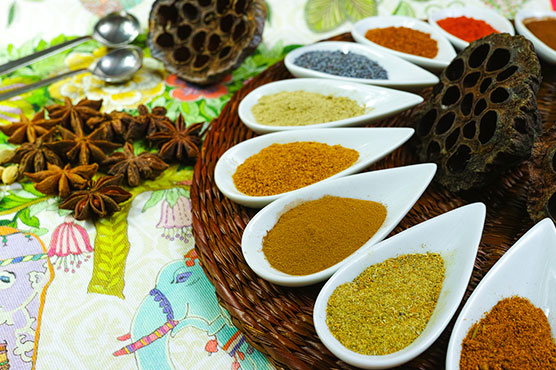
Whole Systems of Medicine: Ayurveda
No CME/CE credit available. Course length is estimated at 9 hours.
$210.06 Physicians | $210.06 Healthcare Professionals/Public | $178.47 Student
Whole Systems of Medicine: Ayurveda
Whole Systems of Medicine: Ayurveda
Ayurveda is one of the oldest medical systems in the world, originating at least five thousand years ago in what is now India. It is a comprehensive system of medicine that emphasizes the interconnectedness of the body, mind and spirit and strives to maintain the innate harmony of the individual.
Ayurveda is considered a "whole medical system" in that it involves a complete system of theory and practice that has evolved independently from or parallel to allopathic (conventional) medicine. Many therapies utilized in Ayurveda are also used individually and are gaining popularity in the United States. Examples include yoga, meditation, massage and some Ayurvedic herbal medicines.
Within the Ayurveda modules, subjects covered will include the following:
- Introduction
- Introduction
- History & Philosophy
- Foundational Concepts
- How Ayurveda is Practiced and Applied
- Doshas & Constitutions
- Diagnosis and Imbalances
- Assessment and Pathology
- Ayurvedic Pathology
- Treatment Approaches
- Lifestyle
- Food As Medicine
- Ayurvedic Pharmacology
- Panchakarma
- Evaluation
- Ayurveda Medicine Evaluation
- Ayurveda Course Exam
Course Objectives
- Describe the historical, philosophical, and theoretical basis of traditional Ayurvedic medicine and its current status in India and the US
- Describe Ayurvedic approaches to patient assessment and diagnosis
- Describe Ayurvedic treatment philosophy
- Describe different treatment approaches in traditional Ayurvedic medicine
- Identify efficacy, effectiveness, and safety for traditional Ayurvedic medicine
- Identify qualities and educational background of qualified Ayurvedic practitioners
Faculty Contributors
Lead Contributor: Amita Nathwani, MA (Ayur) Contributor: Vasant Lad, MA Sc, BAMS Medical Reviewer: Vivian Kominos, MD, FACC, ABOIM
Enrollment
If you register for the course and pay with a credit card you will have immediate access to the course. Once your registration is complete, logout and log back in and your course will be listed on the campus page. If you cannot remember your account information, click the Forgot Password link on the login page and it will be emailed to you.
You will have 30 days from your initial registration to complete the course.
We estimate the course should take 9 hours to complete.
Credit
Credit is not available for this course.
Credit
No CME/CE credit available. Course length is estimated at 9 hours.

Introduction to Contemplative Care
No CE credit available. Course length is estimated at 3 hours.
Free for Physicians | Free for Healthcare Professionals/Public | Free for Student
Introduction to Contemplative Care
Introduction to Contemplative Care
This introductory course is designed for those working in hospice care and with end-of-life patients. This course gives healthcare practitioners guidance in being fully present with patients, and offers guidance to help sustain themselves through demanding work. Meditation in the Zen Buddhist tradition is a key component of this course.
Contemplative care is an approach to caregiving that incorporates mindfulness practice, compassionate action, and moment-to-moment awareness while in relationship with the one being cared for. It is rooted in Buddhist practices of meditation and contemplation.
Using these practices, contemplative care seeks to transform palliative and end-of-life care, both at the individual level and system-wide, across communities and healthcare organizations. By shifting the emphasis towards the wellbeing of everyone involved in giving care to the dying, contemplative care calls on practitioners to engage their work as a process encompassing action, reflection, and contemplation.
Objectives
Contemplative Care: An Introduction
Participants will be able to:
- Understand the concept of Contemplative Care and its application in health care.
- Describe zen-based ethics and meditation practice as they apply to the implementation of contemplative care.
- Explore mindfulness exercises and meditation practices.
Death and Dying: A Contemplative Approach
Participants will be able to:
- Examine ways of alleviating fear and stress surrounding end-of-life care.
Completion Requirements
Complete all the course work and course evaluation. Upon successful completion you will be able to print your general certificate of completion. CE credit is not available. The course length is estimated at 3 hours.
Curriculum
Contemplative Care: An Introduction
Overview of the Contemplative Care process, background, and relevance to healthcare, and introduction to the concepts of mindfulness from the Zen Buddhist perspective.
Death and Dying: A Contemplative Approach
Approaches to death and dying, addressing the unknown, and tools for parting.
Contemplative Care Evaluation
Complete the course evaluation to get your certificate for the course.
Faculty
In Partnership with the New York Zen Center for Contemplative Care, this course was developed with Koshin Paley Ellison, MFA, LMSW, DMIN and Robert Chodo Campbell as lead faculty.

Koshin Paley Ellison |
 Robert Chodo Campbell |
Target Audience
All Health Care Professionals
Credit
No CE credit available. Course length is estimated at 3 hours.

Whole Systems of Medicine: East Asian Medicine
No CME/CE credit available. Course length is estimated at 11 hours.
$256.74 Physicians | $256.74 Healthcare Professionals/Public | $218.13 Student
Whole Systems of Medicine: East Asian Medicine
Whole Systems of Medicine: East Asian Medicine
The medicine that developed in Asia over the course of 4,000 years blossomed under a very different mindset than the Western system of medicine, which is perhaps less than 700 years old (post-Middle Ages). EAM is often referred to as a "whole medical system" in that it involves a complete system of theory and practice that has evolved independently from or parallel to allopathic (conventional) medicine (White, 2004).
Although TCM is taught and practiced most widely throughout the United States, East Asian Medicine (EAM) is a broad term that serves as an umbrella for three major styles of Asian medicine that share similar roots, including:
- Traditional Chinese Medicine "TCM" (occasionally referred to as Classical Chinese Medicine or "CCM")
- Korean (Sasang) Constitutional Medicine (sometimes known as Traditional Korean Medicine (TKM))
- Traditional Japanese Medicine (sometimes referred to as "Kampo" medicine)
The EAM worldview is expressed through its unique language and the understanding of the importance of "vital energy" or Qi (pronounced 'chee') in the state of health of the individual. The individual's situation is always considered in relationship to the environment with the understanding that health, or well-being, is achieved through maintaining a balance between elements of heaven (or sky), earth, and outer and inner experiences. The human being is a link between heaven and earth and, in this way, creates a pathway of communication between the two. This makes the study and practice of TCM an interesting experience for most people who have not considered how another culture, let alone a different medical tradition, would approach health, well-being, and disease. It can be an exciting exploration and a gateway to explore other ways of understanding relationships between the physical body and our internal and external environments.
No CME/CE credit available. Course length is estimated at 10.75 hours.
Within the TCM modules, subjects covered will include the following:
- Brief History of TCM: Origins and development of its therapeutic systems
- Yin/Yang theory: Yin and Yang as representative of the world and universe, health, the body, the mind / spirit, and therapeutics
- 5 Element Theory: Wood, Fire, Earth, Metal, Water and how they interact creating balance or imbalance
- Eight Principles: Descriptions and clinical manifestations (normal and pathological)
- Vital Substances: The concepts of Qi, Blood, Body Fluids, Essence and Spirit
- ZangFu: "Organ systems" of TCM and their physiological and energetic functions, relationships and pathologies
- Causes of Disease: Internal and external causes, lifestyle and related factors
- Meridians: Theory, acupuncture points and energetics
- Constructing a Different Diagnosis use lens of East Asian Medicine
- Brief Survey of TCM Therapeutic Techniques: Acupuncture, moxibustion, cupping, dietary advice, and herbal medicine
- Credentialing & Licensure: An overview of state and national requirements for practicing TCM—you will do research on your state's requirements
Course Objectives:
- Describe the historical, philosophical, and theoretical basis of Traditional Chinese Medicine and its current status in China and the US
- Describe the different treatment modalities in East Asian Medicine
- Identify efficacy, effectiveness, and safety for East Asian Medicine
- Appropriately refer for East Asian Medicine treatment
- Identify East Asian Medicine providers who are appropriately credentialed
Faculty
Lead contributor: Celia Hildebrand DAOM, LAc
Contributors: Alex Holland MAc, LAc; Leslie McGee RN, LAc
Medical Reviewer: Lise Alschuler ND, FABNO
Enrollment
If you register for the course and pay with a credit card you will have immediate access to the course. Once your registration is complete, logout and log back in and your course will be listed on the campus page. If you cannot remember your account information, click the Forgot Password link on the login page and it will be emailed to you.
You will have 30 days from your initial registration to complete the course.
We estimate the course should take 11 hours to complete.
Credit
Credit is not available for this course.
Credit
No CME/CE credit available. Course length is estimated at 11 hours.
Healthcare for All: Integrative Medicine
No CME/CE credit available. Course length is estimated at 3 hours.
Free for Physicians | Free for Healthcare Professionals/Public | Free for Student
Healthcare for All: Integrative Medicine
Healthcare for All: Integrative Medicine
Despite intentions to provide equal care, consistent gaps in health outcomes persist. Research shows that automatic assumptions can influence clinical judgment without conscious awareness. These patterns may affect diagnosis and treatment decisions.
Studies suggest that efforts such as focusing on individual patient details (individuation) and intentionally considering a patient’s perspective (perspective-taking) can help counter these effects. Addressing these habits of thought is essential to delivering high-quality care that aligns with integrative medicine’s core values.
The “Integrative Medicine for All” curriculum provides clinicians with the skills and awareness necessary to address and mitigate health disparities.
During this three-hour course, you will review five key areas that influence health and healthcare access. The lead faculty for this course are Drs. Genesa Wagoner and Mia Sanders. Much of the course is video and self-reflection questions.
The course takes approximately 3 hours to fully complete. No CE is available.
Credit
No CME/CE credit available. Course length is estimated at 3 hours.

Integrative Mental Health: An Introduction
No CME/CE credit available. Course length is estimated at 5 hours.
$116.70 Physicians | $116.70 Healthcare Professionals/Public | $99.15 Student
Integrative Mental Health: An Introduction
Integrative Mental Health: An Introduction
Mental health is a vital element of one's overall wellbeing — a critical aspect of what it means to be whole and fully human.
Mental health is a key determinant of wellness, and has been shown to be strongly influenced by lifestyle factors such as chronic stress, sedentary lifestyle, poor nutrition, obesity, substance abuse, and social isolation. Use of complementary medicine in mental health conditions has been driven by the high cost of many psychiatric medications, and by the growing list of safety concerns reported by the FDA, but due caution must be used with all therapies, conventional or complementary.
No continuing education credit is available for this course. Course length approx. 5 hours.
Learning Objectives:
- Discuss the prevalence and impact of mental illness on individuals and public health.
- Compare and contrast mental health and mental illness.
- Discuss the role of resilience in overall health and wellness, as well as ways to build resilience.
- Describe therapeutic frameworks that focus on mental health promotion rather than treatment of disease.
- Define the social determinants of health and potential impact on mental health.
- Identify lifestyle factors that can positively affect mental health.
- Recognize appropriate referral patterns for at-risk patients to mental health experts.
- Evaluate the evidence for integrative approaches to promote mental health.
- Apply lifestyle and integrative approaches through patient cases.
Curriculum
- What is Mental Health?
- Whole Person Mental Health
- Sleep and Mental Health
- Nutrition and Mental Health
- Movement and Mental Health
- Environment and Mental Health
- Resilience and Mental Health
- Relationships and Mental Health
- Spirituality and Mental Health
- Course Evaluation
- Course Exam
More on Mental Health
Interested in a clinical deep dive into integrative treatments? Consider our CME/CNE courses in Anxiety: An Integrative Approach or Coming Soon Depression: An Integrative Approach.
Completion Requirements
Complete all the coursework, course evaluation, and the final test with a score of 70% or better. Upon successful completion, you will be able to print your certificate of completion.
Target Audience
This activity is intended for physicians, nurse practitioners, nurses, physician assistants, psychologists, and behavioral health professionals in any specialty. In addition, all healthcare professionals who have an interest in an integrative approach to healing are targeted.
Certificate
When all of the above requirements are met (during the agreed-upon timeline), a link for the completion certificate is available to download and print anytime from "My Account." If a specific credit type was selected at registration, your certificate will indicate earned credits.
Disclaimer
This course does not constitute medical advice. Healthcare providers should exercise their own independent medical judgment.
Credit
No CME/CE credit available. Course length is estimated at 5 hours.

The Marvels of Mind Medicine: The Impact of Ideas on Health & Healing
No CE credit available. Course length is estimated at 15.25 hours.
$355.94 Physicians | $355.94 Healthcare Professionals/Public | $302.41 Student
The Marvels of Mind Medicine: The Impact of Ideas on Health & Healing
The Marvels of Mind Medicine: The Impact of Ideas on Health & Healing
As a physician, caregiver, or healthcare professional, your influence is significant. Bedside manner and compassion are a foundation, but they are not enough to improve your patients' health and healing.
Your words, mood, and authority shape your patients’ physical reality. This course guides you to use that influence intentionally for healing.
Spring 2026 Offer
Enroll today and save 30% — Use code MINDMED30 at checkout.
What You Will Learn
Each module in this 15-hour, self-paced course equips you with practical tools for healing communication. By the end of the course, you will directly enhance patient care and outcomes.
Foundations & Waking Suggestion: You will learn the evidence-based definition of medical hypnosis, how clinical communication influences health and healing, and how to transform everyday patient interactions, including greetings, goodbyes, informed consent, and the delivery of difficult news, into therapeutic acts.
Clinical Application of Waking Suggestion & Trance: You will gain a deeper understanding of medical hypnosis, including waking suggestion, hypnotic trance, and induction, applied directly to clinical contexts, including infertility and cancer care.
The Worry Protocol: You will learn the clinically tested four-step protocol that eliminates the worry habit, along with the science behind it and recorded patient demonstrations.
Read the peer-reviewed research
Placebo and the Law of Identification — a Hypothesis & Theory article published in Frontiers in Psychiatry by Steve Bierman, MD, Andrew Weil, MD, and Stephen Dahmer, MD.
Learning Objectives
Upon completion of the course, you will gain:
- A working understanding of noetic medicine and its relationship to medical hypnosis and mind-body medicine.
- A clear definition of the four pillars of the clinical hypnotic method and how it differs from stage hypnosis.
- Practical language tools you can deploy in your next patient encounter.
- Real-world applicable techniques for developing therapeutic rapport across clinical settings, including greetings and goodbyes, painless injections, informed consent, delivering difficult news, pre-surgical preparation, and emergency situations.
- An advanced understanding of the role of trance in clinical care and when to use it.
- Proficiency in the Worry Protocol and the ability to deliver the four-step method for to eliminate the worry habit to patients.
- Confidence applying waking suggestion in exam rooms, the ED, difficult diagnoses, and phone consultations.
The Framework
Dr. Steve Bierman has spent his medical and research career in pursuit of a single insight: the ideas we express or imply can produce physical responses. This is especially important in the exchange between a caregiver and a patient, where words can become prescriptive.
The philosophy that ideas, communication, and mind medicine can influence health and healing is known as Noetic Medicine. In 2024, Dr. Andrew Weil and Dr. Steve Bierman founded the Noetic Medicine Initiative to expand research and training in healthcare.
Every Interaction Is an Intervention
When a clinician says, “This is going to hurt,” that is not information — it is a suggestion. When a physician says, “I’m not sure there’s anything more we can do,” that is, however unintentionally, known in Noetic Medicine as a curse. Words influence patient outcomes. This course teaches you to choose them accordingly.
The foundation of Dr. Bierman’s approach rests on one principle: every caregiver-patient interaction is either therapeutic or anti-therapeutic. There is no neutral ground. This is a documented, clinical observation visible every day in the placebo effect, the nocebo effect, and in every exchange between a physician or care provider and a patient.
In this course, you will learn to recognize the power of your words and gain tools to use them consciously in clinical settings. You will learn the definitions of clinical curses and healing suggestions, and how these are not a substitute for medical treatment but can meaningfully affect patient outcomes.
From the Emergency Department to Clinical Research & Training
Dr. Bierman discovered in the Emergency Department that both hypnosis and waking suggestion could support patients. The key was using language purposefully in the patient relationship.
These principles are embedded throughout the course. You will learn how to use clinical hypnosis, hypnotic trance, and waking suggestion in exam rooms, emergency departments, and phone consultations. The setting changes. The principles do not.
Course Methodology
This is a self-paced, on-demand video course designed to fit into the schedules of working clinicians. Learners can expect to invest approximately 15 hours completing the full curriculum.
The course is organized into four modules: an introduction to mind medicine and clinical hypnosis; clinical application across a range of real-world settings; the Worry Protocol; and a concluding wrap-up. Each module builds on the previous one, moving from foundational concepts to direct clinical application.
Dr. Bierman teaches through direct lectures, recorded patient demonstrations, and clinical-scenario walkthroughs, giving learners the opportunity to observe the principles in action before applying them independently. Downloadable materials are included to support learning and future reference.
Knowledge assessments are embedded throughout the course to reinforce key concepts. Upon completing all coursework and the course evaluation, a certificate of completion is available for download.
Target Audience
This course is designed for physicians, nurse practitioners, nurses, physician assistants, psychologists, psychiatrists, and licensed therapists across all specialties, as well as any healthcare professional interested in an integrative approach to healing.
About the Instructor
Dr. Steve Bierman is a physician, educator, and pioneer in the clinical application of medical hypnosis and noetic medicine. With decades of practice spanning emergency medicine and integrative care, Dr. Bierman has developed a methodology that is both scientifically grounded and immediately applicable, regardless of specialty or setting.
Curriculum
Introduction
- Introduction to Mind Medicine and Clinical Hypnosis
- Hypnotic Method: Authority & Rapport Patterns
- Hypnotic Method: Language & Linkage
- Hypnotic Method: Clarifications & Wrap-up
Application of Mind Medicine and Clinical Hypnosis
- Greetings and Goodbyes
- Painless Injections
- Informed Consent
- Delivering Bad News
- Trance Induction
- Pre-Surgery
- Other Skills and Refinements
The Worry Protocol
- Worry Protocol Overview
- Worry Protocol Demonstration
- Worry Protocol: Post-Demo Review & Instructions
Wrap-Up
- Concluding Thoughts
- Introductory Noetic Medicine Evaluation
Completion Requirements & Certificate
Complete all coursework and the course evaluation. Upon successful completion, a link to your certificate of completion will be available for download at any time from “My Account.”
Course Time Investment: Learners can expect to spend 15.25 hours completing this course.
This course was made possible through the generous support of Mr. Al Assad and Mr. Gabriel Wisdom.
Disclaimer: This course does not constitute medical advice. Healthcare providers should exercise their own independent medical judgment.
Credit
No CE credit available. Course length is estimated at 15.25 hours.